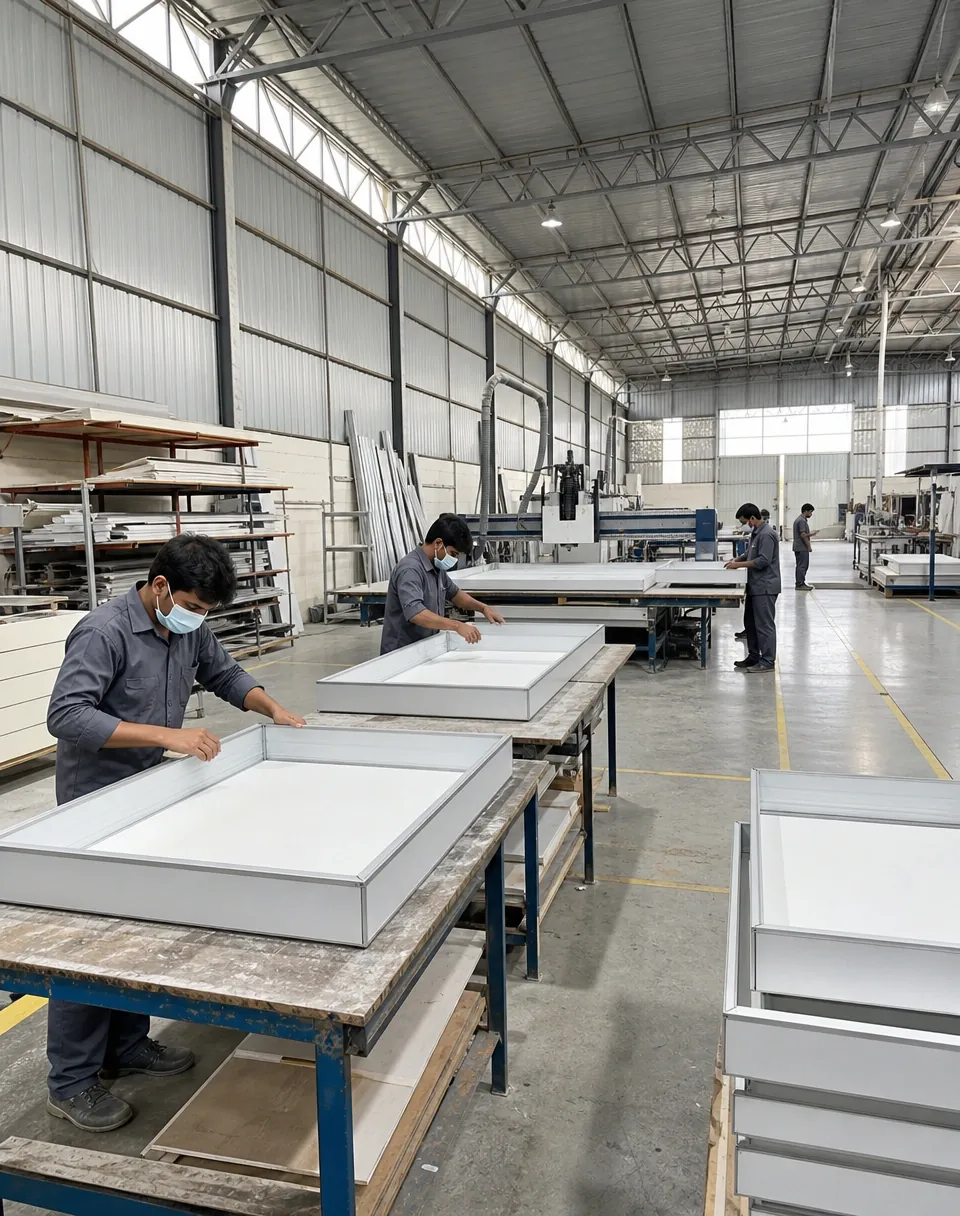
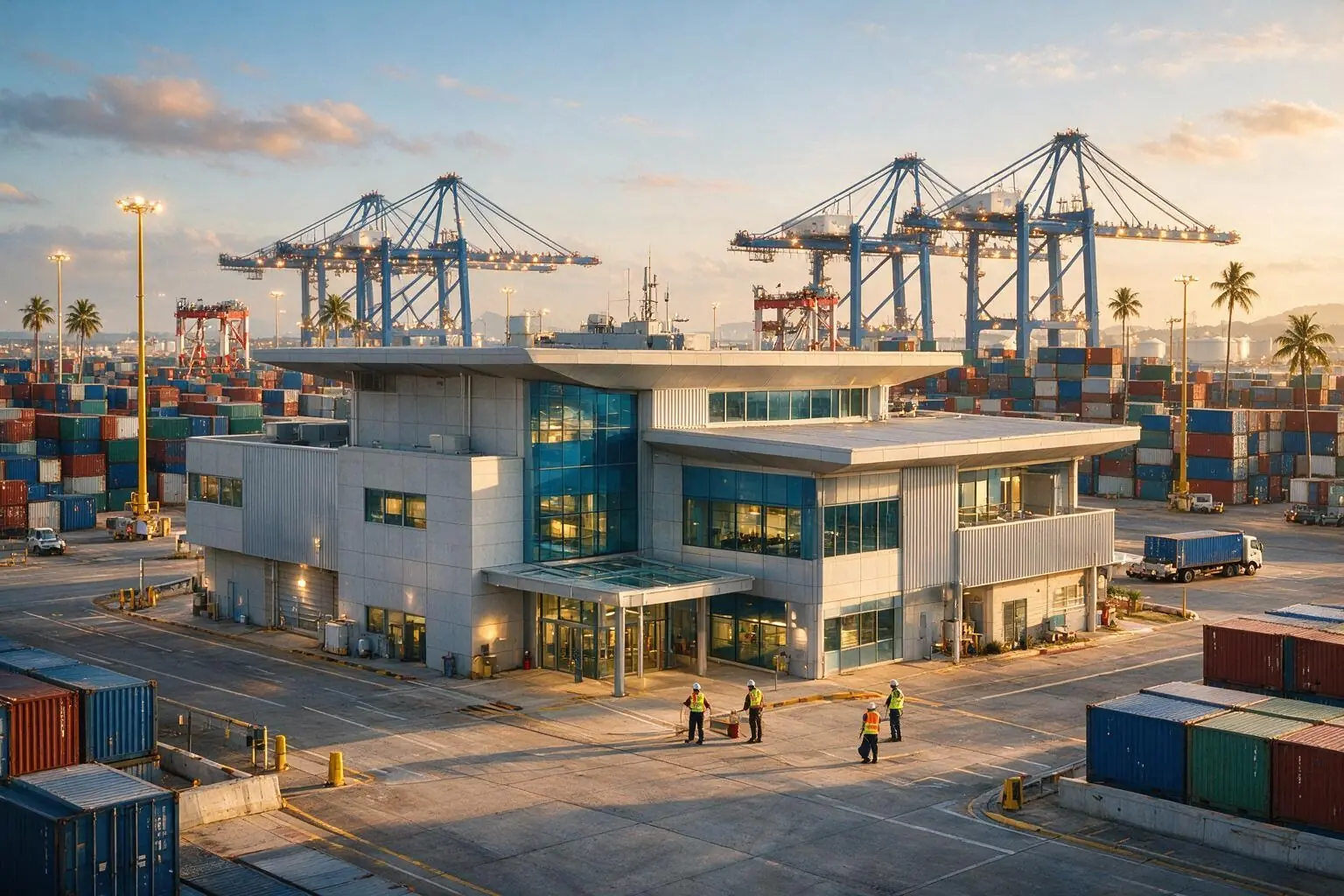
Industrial & Warehousing
Heavy-duty epoxy floor coatings, floor line marking, anti-corrosion coatings on structural steel, and fire-retardant systems where specified.
General Contracting
Interior and exterior painting, texture and decorative finishes, epoxy and PU floor coatings, and protective and waterproofing systems, specified per substrate and applied over properly prepared surfaces.
Last updated: 4 August 2026
In Short
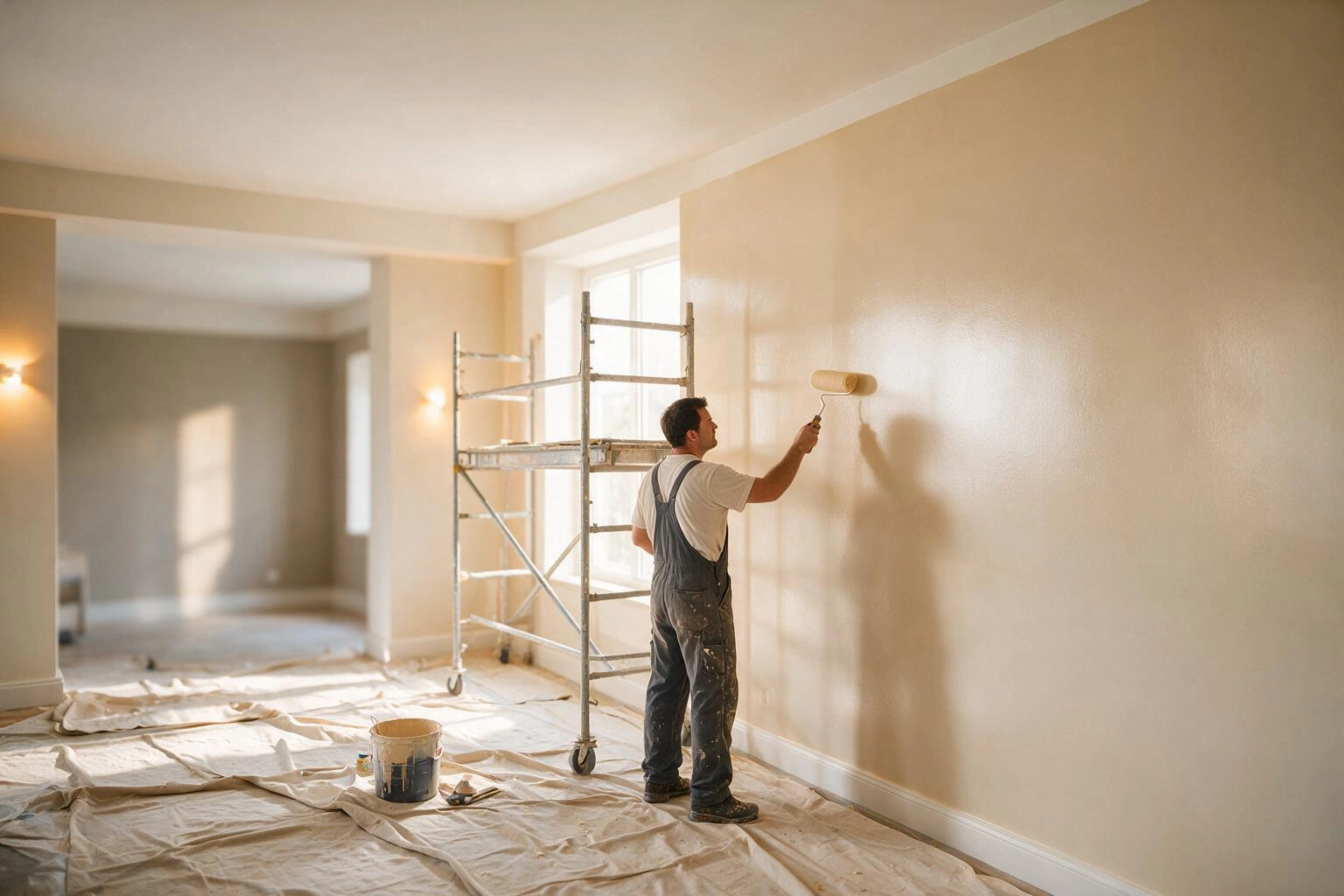
How a paint job looks in year three is decided by surface preparation, not by the tin. Impulse Branding Solutions delivers interior emulsion and enamel systems in Asian Paints, Berger, Dulux and Nerolac specifications, texture finishes, exterior weather-shield and anti-carbonation coatings, epoxy and polyurethane floors, waterproofing, and anti-corrosion and fire-retardant systems.
Almost every painting complaint traces to something that happened before the first coat went on. Emulsion applied over a wall that was never properly sealed will flash patchy within a season. A premium exterior system over unprepared, chalking masonry will peel regardless of what it cost. An epoxy floor laid on concrete that was not mechanically prepared and moisture tested will delaminate in sheets, and no amount of product quality prevents it. This is why painting is the trade most often bought on rate and most reliably regretted: the part that determines the outcome is invisible by the time anyone inspects the work. IBS specifies preparation, primer, and coat count against the substrate rather than against a price point, and applies the manufacturer's stated system rather than a shortened version of it. Where painting runs inside an IBS fit-out, it is sequenced with the other finishing trades under one project lead so the walls are painted at the right point in the programme rather than twice.
What We Make
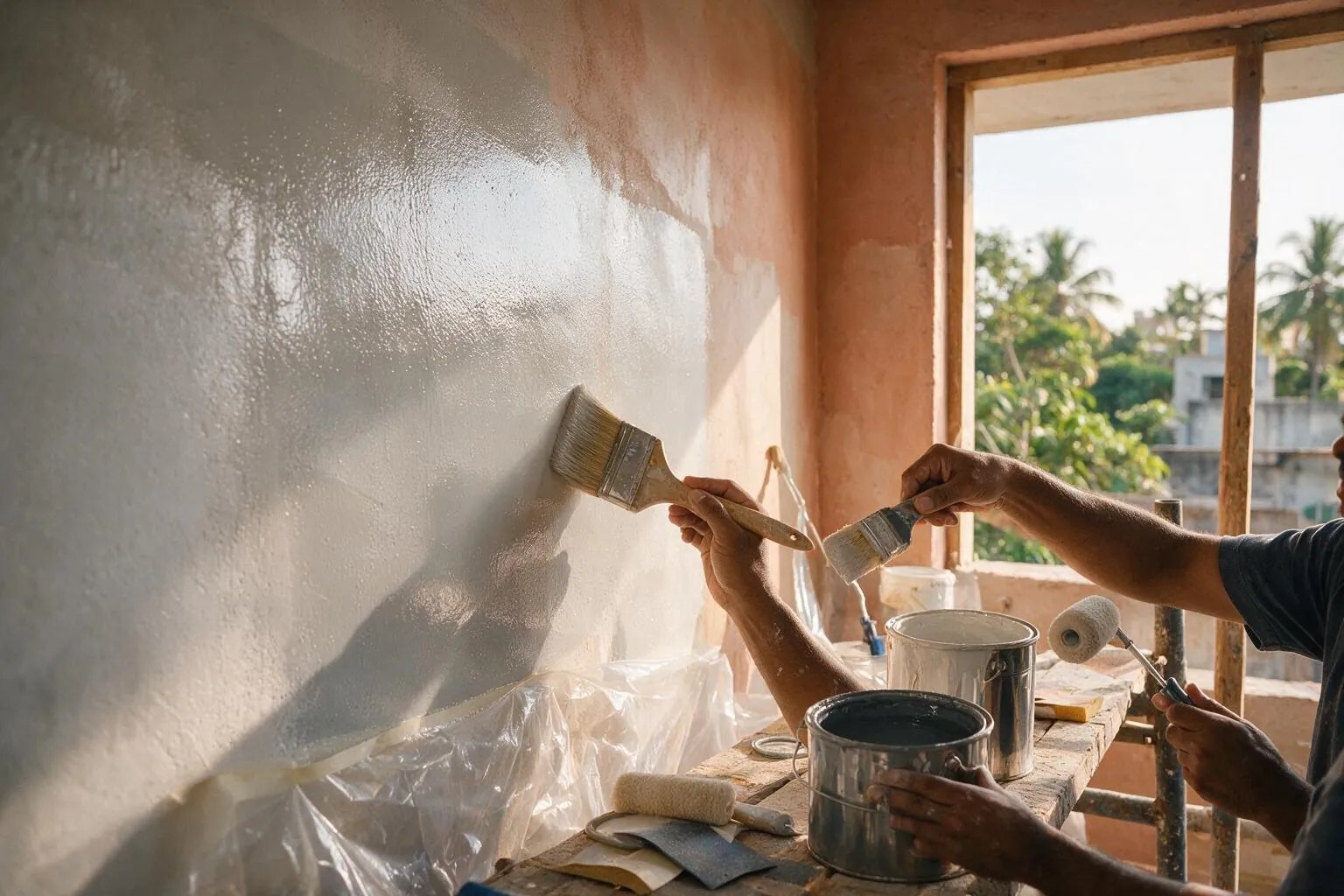
India's paints and coatings market was estimated at US$ 9.4 Billion in 2025 and is forecast to reach US$ 17.7 Billion by 2034, a compound annual growth rate of 7.06% (IMARC Group, 2026). Most of that is product. What decides whether the product performs is the system it sits in: the preparation, the primer, and the number of coats actually applied. Below is what each part of the IBS painting scope covers.
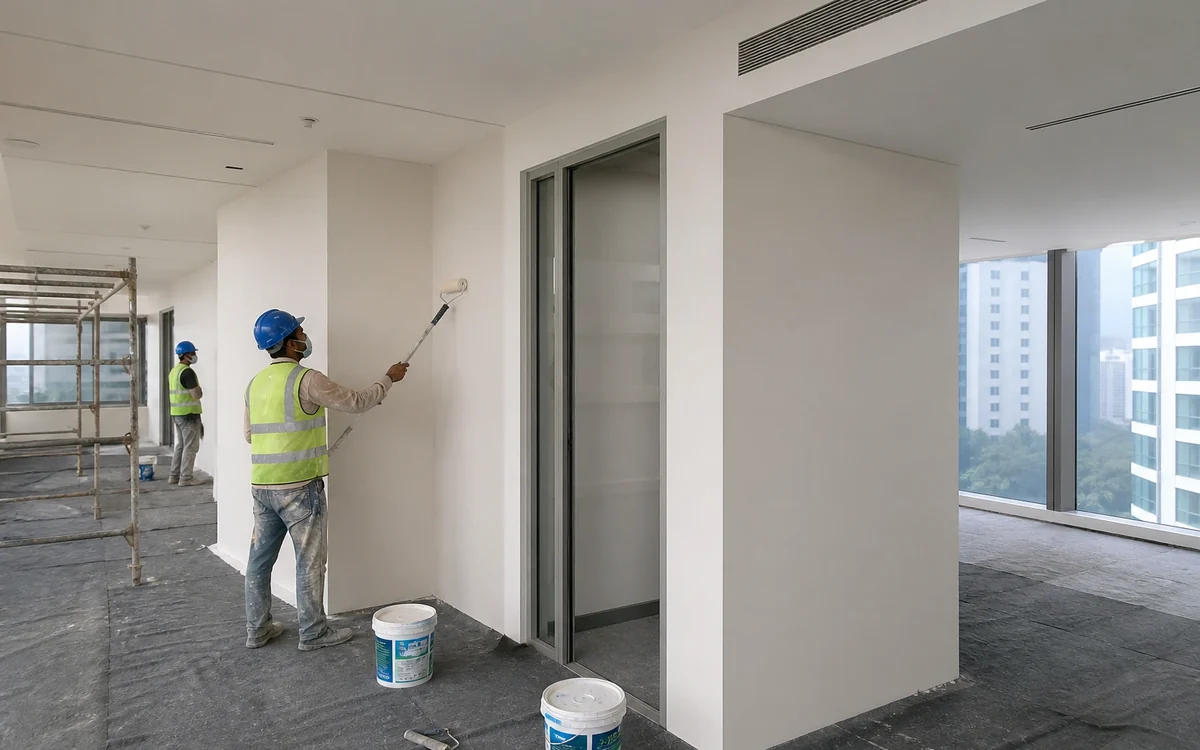
General Contracting · Type 01
Interior emulsion and enamel systems specified by area and use, over a properly sealed and prepared surface rather than straight onto whatever the previous finish left behind.
General Contracting · Type 02
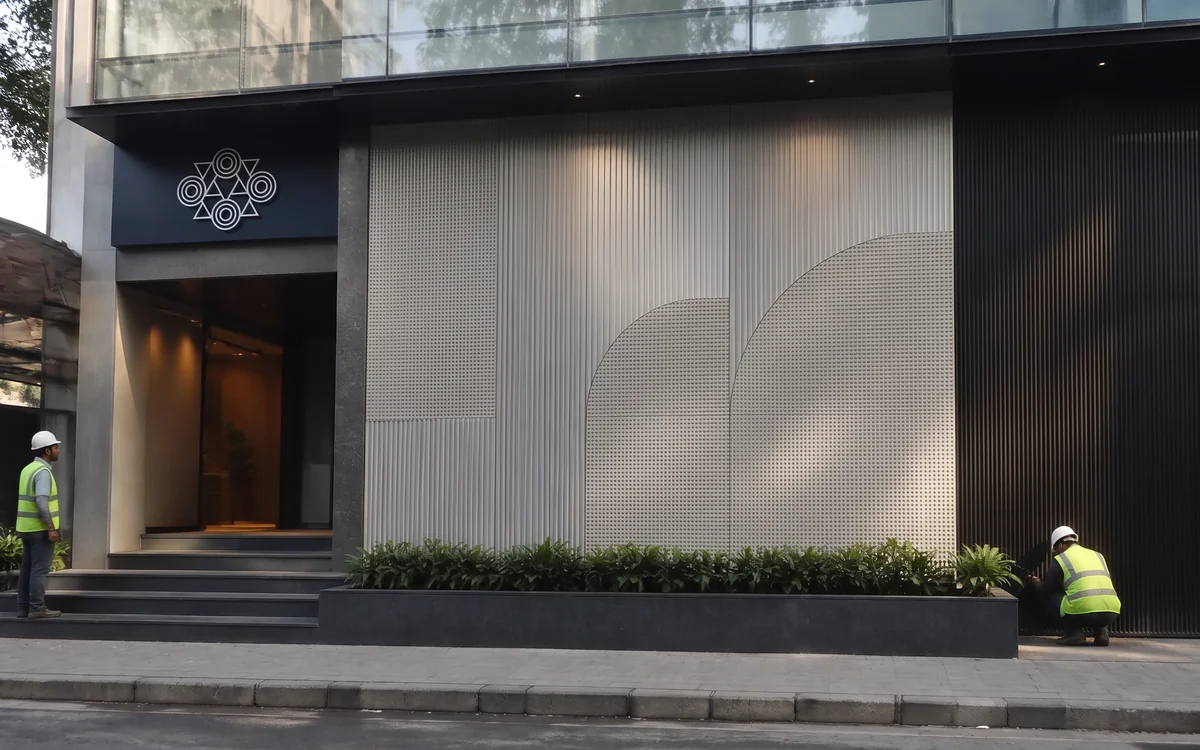
Decorative wall treatments where the finish is the design element rather than a background, applied to a base that has been prepared to take it.
General Contracting · Type 03
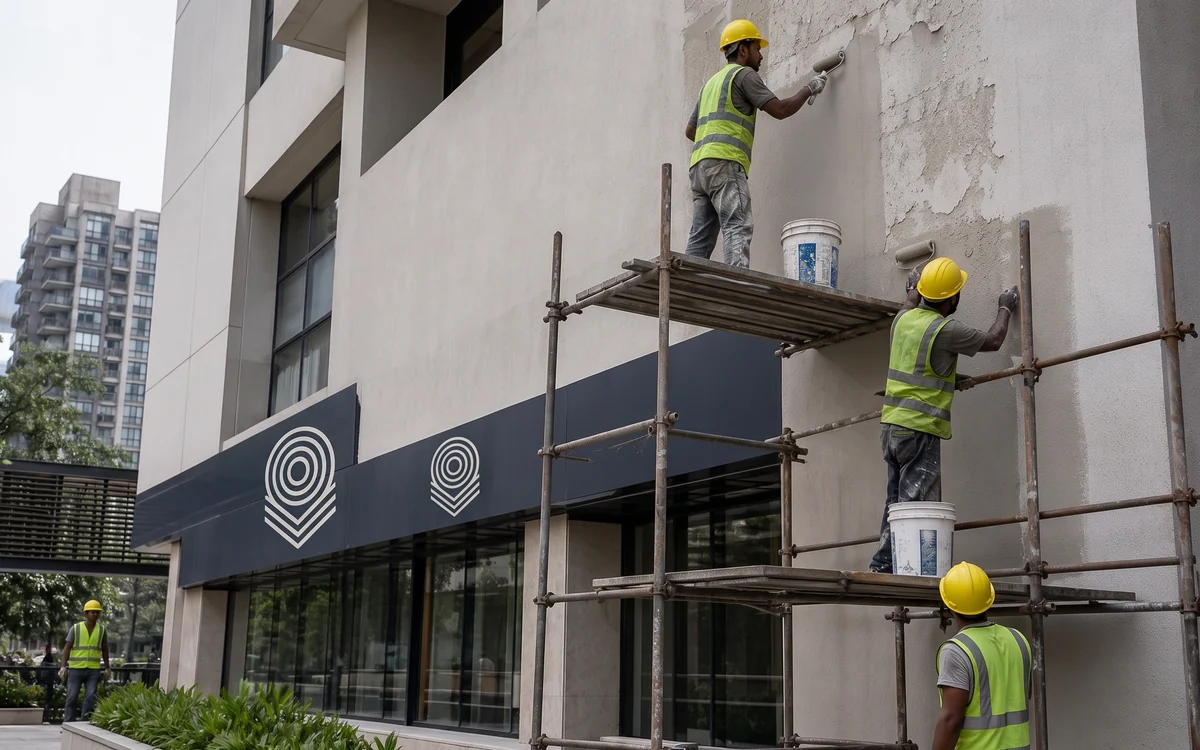
Exterior systems where weather, movement, and carbonation are the failure modes, and preparation of an aged substrate matters more than the topcoat.
General Contracting · Type 04
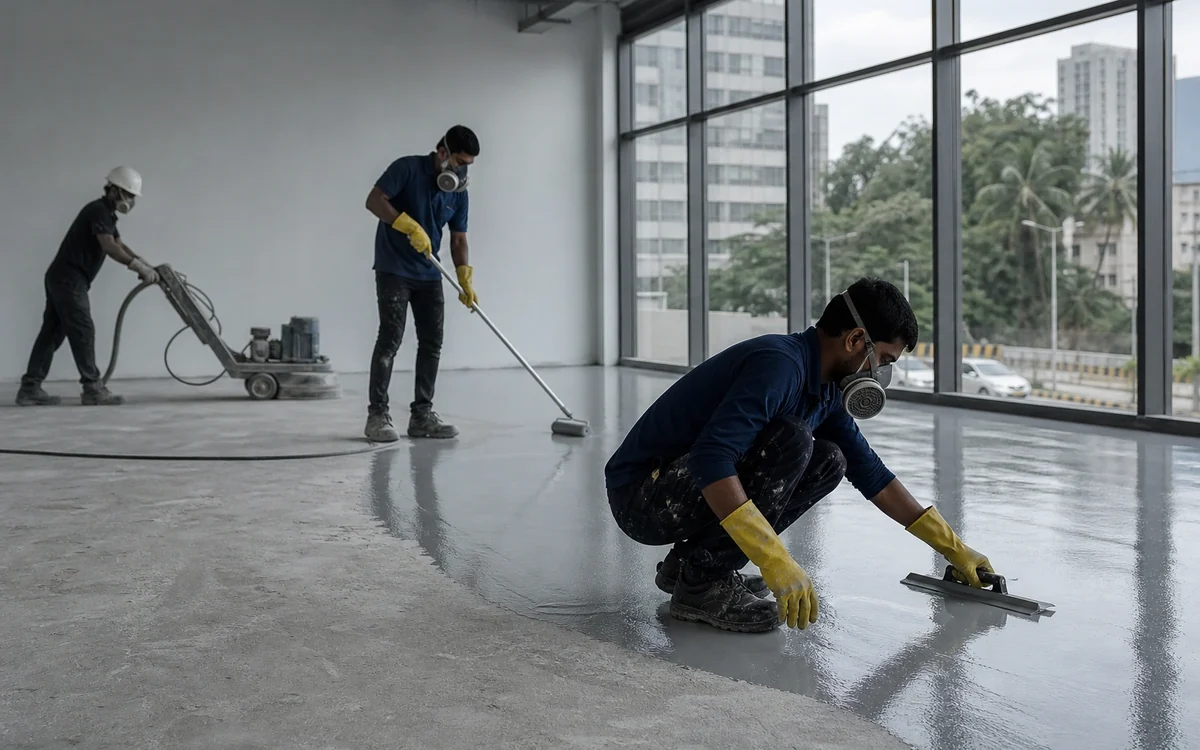
Floor coatings where the concrete beneath decides the outcome, which is why preparation and moisture testing precede any product decision.
General Contracting · Type 05
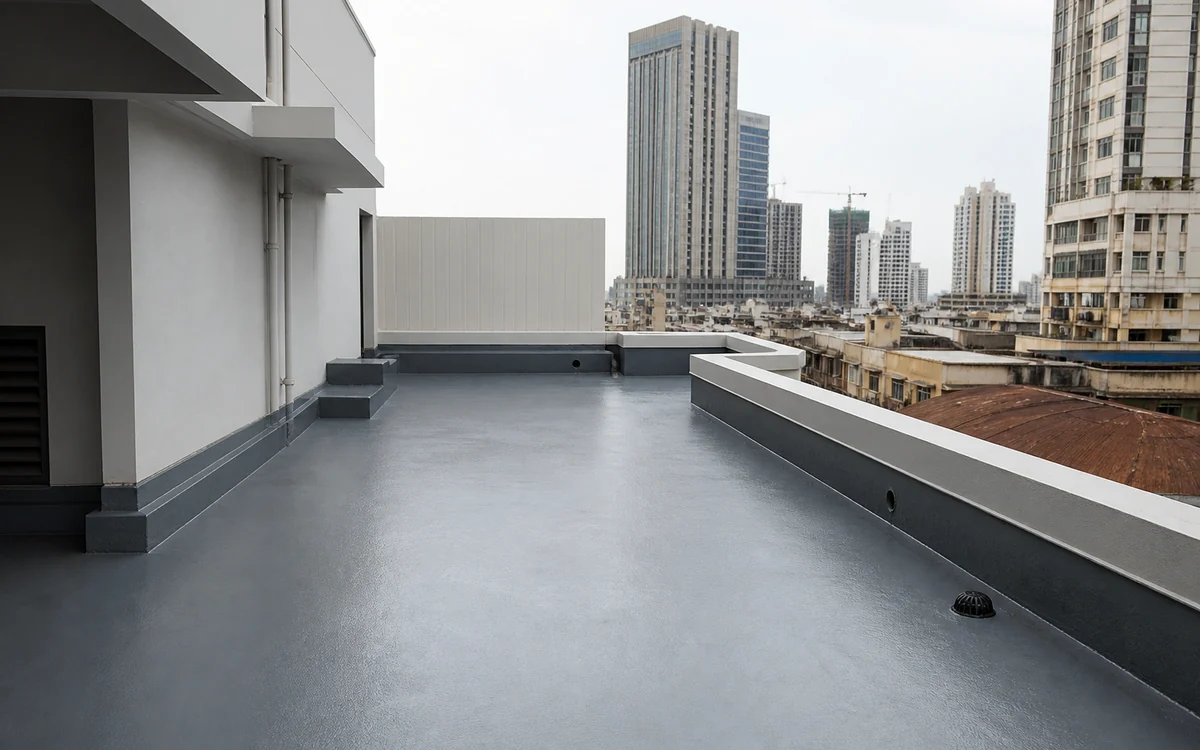
Coatings applied for performance rather than appearance, where failure is structural or operational rather than cosmetic.
General Contracting · Type 06
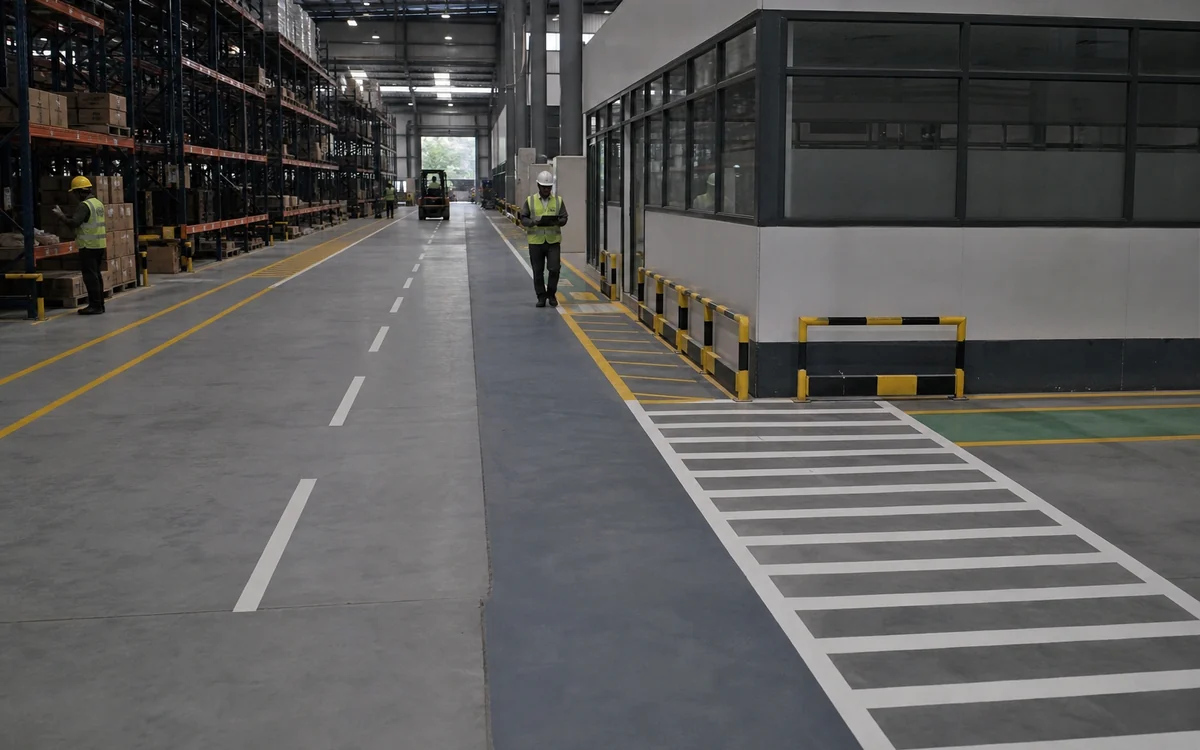
Functional floor markings and safety coatings, set out to a drawing rather than measured by eye on the day.
Specification
Paint is a system, not a product. Preparation, primer, coat count, and curing conditions determine whether the finish performs, and every one of them is invisible once the topcoat is on. These are the criteria that anchor an IBS painting package.
Ready when you are
Share the site, the scope and the date you need it working. We quote against a BOQ with every component itemised, and the first site visit carries no charge.
How We Deliver
A painting package is mostly decided before the first coat and judged long after the last one. These are the stages IBS works through.
Existing finish, surface condition, moisture content, and any previous coating identified, since a system specified without knowing what is underneath is a guess. On floors this includes moisture testing of the slab.
Preparation method, primer, topcoat system, and coat count specified per area and per substrate, with low-VOC or zero-VOC systems selected where the building is occupied or the sector requires them.
Colours matched to Pantone or RAL references, with a prepared sample panel approved on site before full application on colour-critical or texture work.
Cleaning, sanding, scraping, filling, or mechanical preparation carried out to the specified standard, and inspected before priming rather than after the topcoat has hidden it.
Primer applied to the specified system and allowed the stated drying time, followed by the first coats within the manufacturer's recoat window.
Finish coats applied to the specified count, with completed areas protected from the trades that follow so the work is not damaged and repeated.
Snag list closed, and system, primer, coat count, and colour references recorded per area and issued as part of the handover file.
Why Buyers Choose IBS
Painting is the trade most often awarded on rate per square foot and most reliably regretted, because the part that decides the outcome is buried under the part the client inspects. These are the parts of the IBS model that determine which.
Existing finish, moisture content, and surface condition are assessed before a system is chosen. Emulsion over an unsealed wall will flash patchy within a season, and a premium exterior system over chalking masonry will peel regardless of what it cost. Preparation is where a painting quotation is genuinely cheap or genuinely inadequate.
Systems are applied to the stated number of coats with the stated recoat intervals, not compressed into fewer coats to hit a programme or a rate. Dropping the third coat is invisible at handover and obvious eighteen months later, which is exactly why it is the most common quiet economy on a painting package.
Epoxy and PU floor systems are applied only after mechanical preparation and moisture testing of the concrete. An epoxy floor laid over untested slab moisture will delaminate in sheets, and the product is never the cause. Redoing it means removing the failed coating first, which costs more than the original installation.
Brand colours are matched to the client's Pantone or RAL reference. On multi-site programmes this is what stops the same brand wall reading differently in two cities, which is the usual outcome when each site is matched locally against a shade card.
Where painting runs inside an IBS fit-out, it sits under the same project lead as the civil, MEP, and joinery work. Painting done at the wrong point in the programme gets damaged by the trades that follow it and has to be done twice, which is a sequencing cost rather than a quality one.
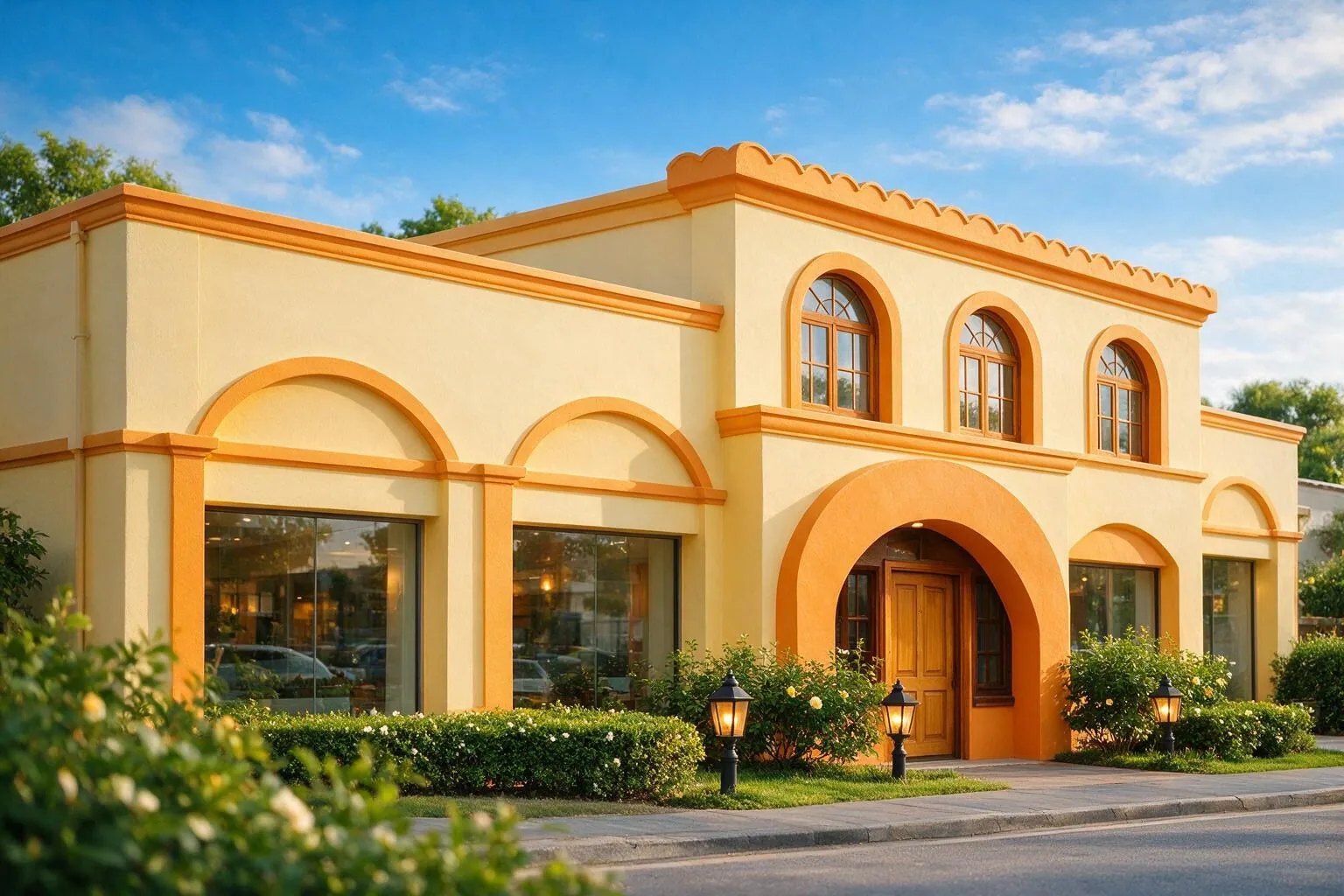
Painting is usually bought per square foot against a named brand, which describes the tin and nothing else. The preparation, the primer, and the coat count are where the difference actually sits. Here is how that compares with a specified system.
| Typical Rate-Based Contract | IBS Specified System | |
|---|---|---|
| Surface preparation | Quoted as included, applied as a quick sand and wipe regardless of the substrate's condition | Assessed per substrate for existing finish, moisture, and condition, with preparation specified accordingly |
| Primer | Treated as an optional cost line and often dropped to win the rate | Specified to the substrate and the topcoat system as part of the quoted scope |
| Coat count | Priced for the manufacturer's system, applied in fewer coats once the programme tightens | The manufacturer's stated coat count applied, with stated recoat intervals observed |
| Epoxy floors | Applied over concrete that was never mechanically prepared or moisture tested, then delaminates in sheets | Concrete mechanically prepared and moisture tested before any coating goes down |
| Brand colour | Matched locally against a shade card, so the same wall reads differently between cities | Matched to the client's Pantone or RAL reference, held across every site on a programme |
| What you can check afterwards | A finished surface, with no record of what went underneath it | System, primer, coat count, and colour references recorded per area and issued at handover |
Sectors We Serve
Painting and coatings requirements diverge by sector, mostly around VOC limits, durability, and whether the building stays occupied through the work.
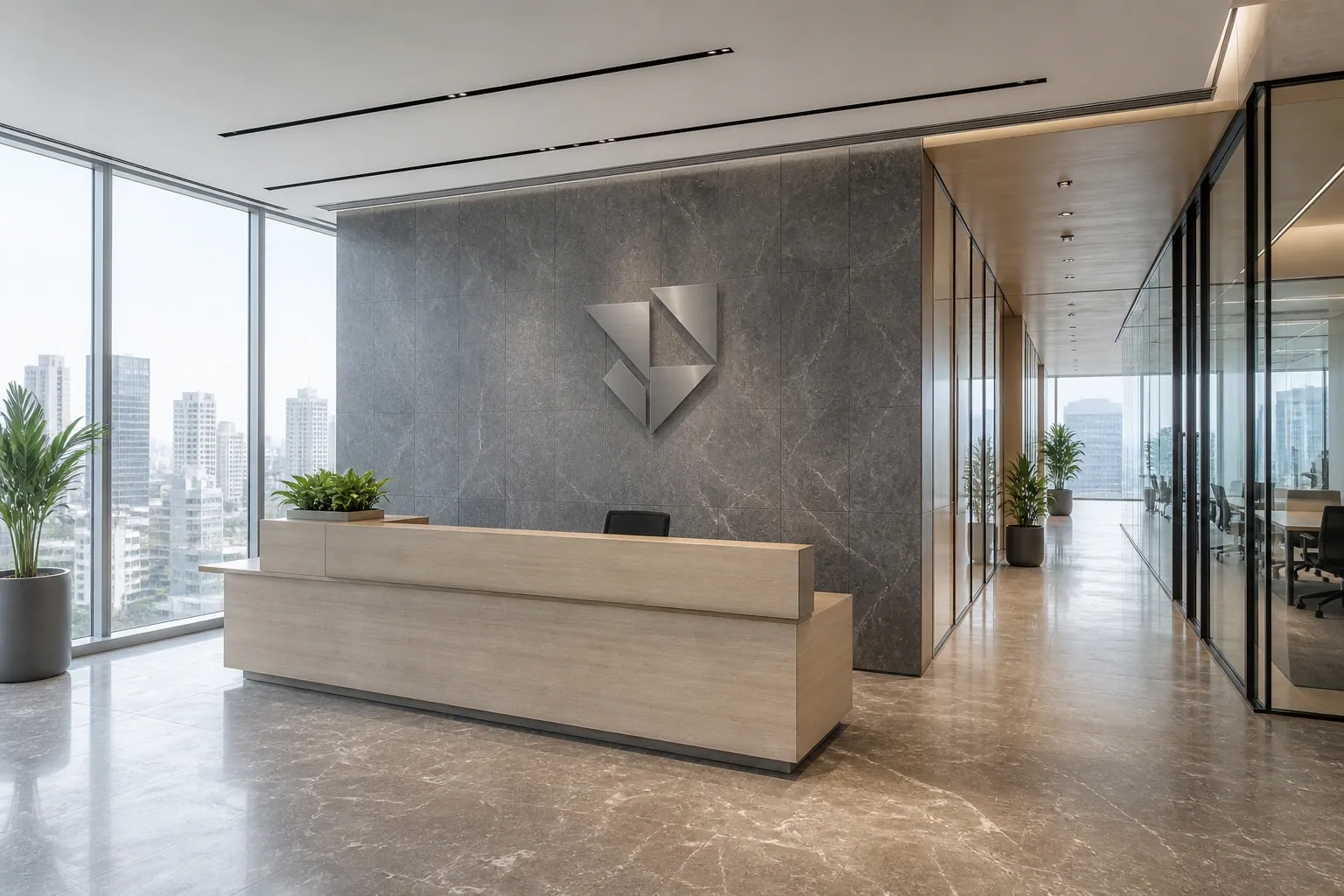
Brand accent walls matched to corporate colour references, washable finishes in circulation areas, and work scheduled around occupancy in live floors.
See corporate office projects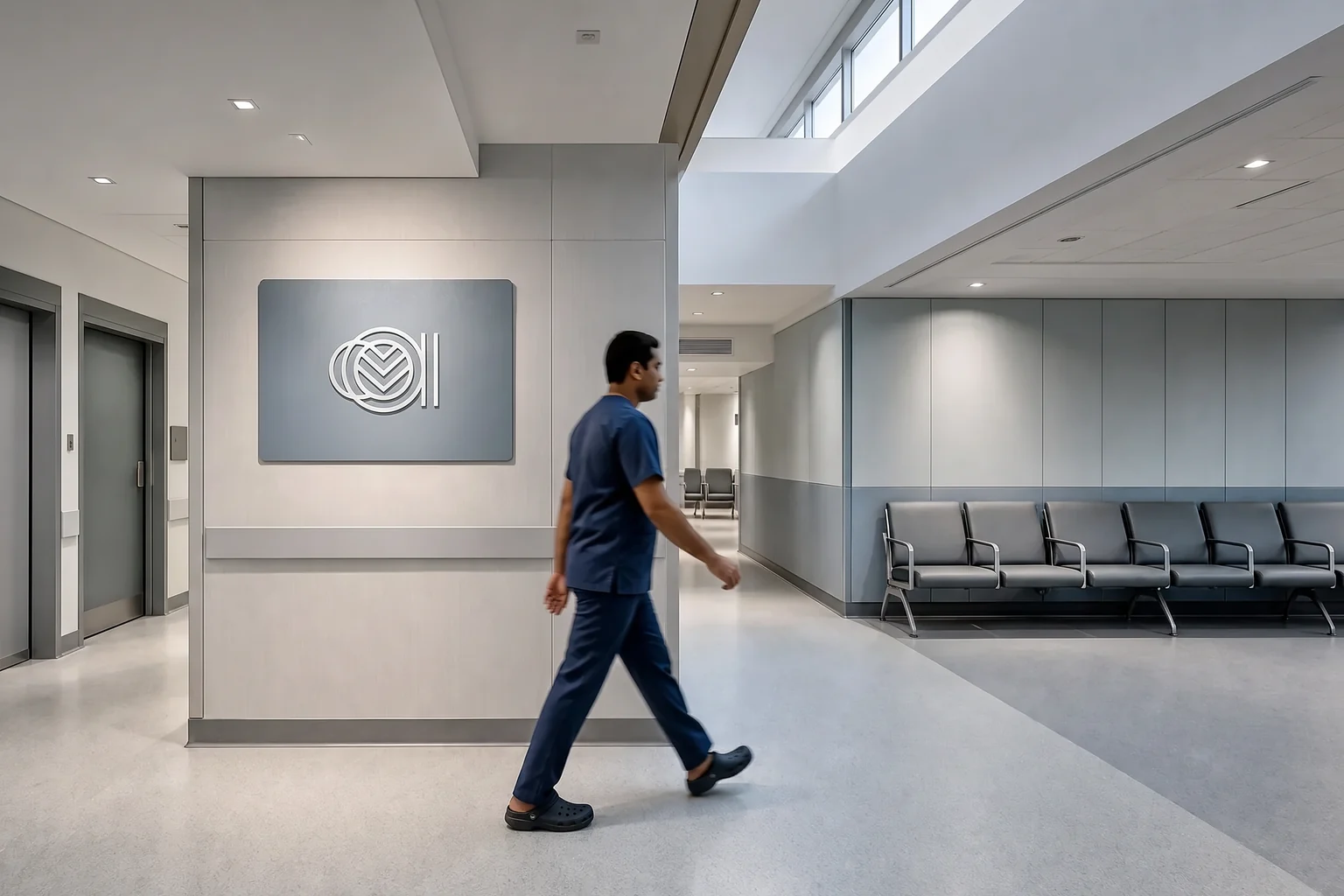
Low-VOC and zero-VOC systems, cleanable semi-gloss finishes in clinical areas, and epoxy floor systems for operation theatres and laboratories.
See healthcare projects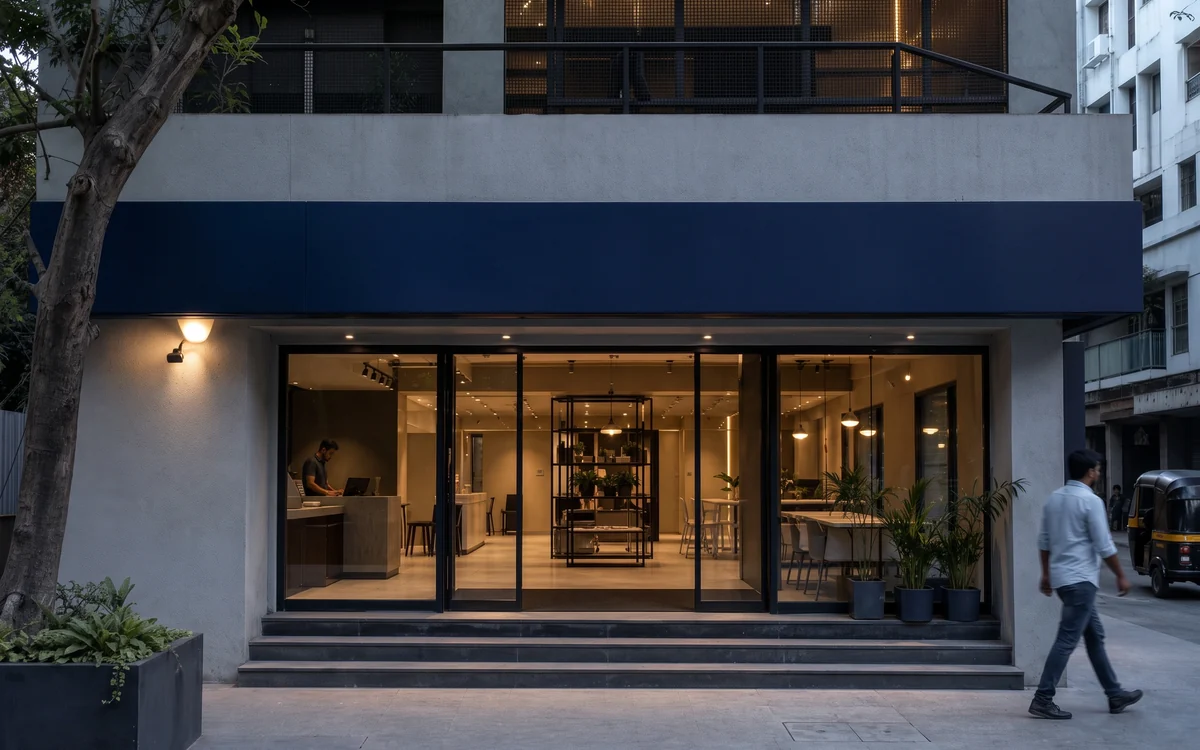
Feature wall treatments, brand-colour matching held across locations, and durable finishes for high-footfall public areas.
See hospitality projects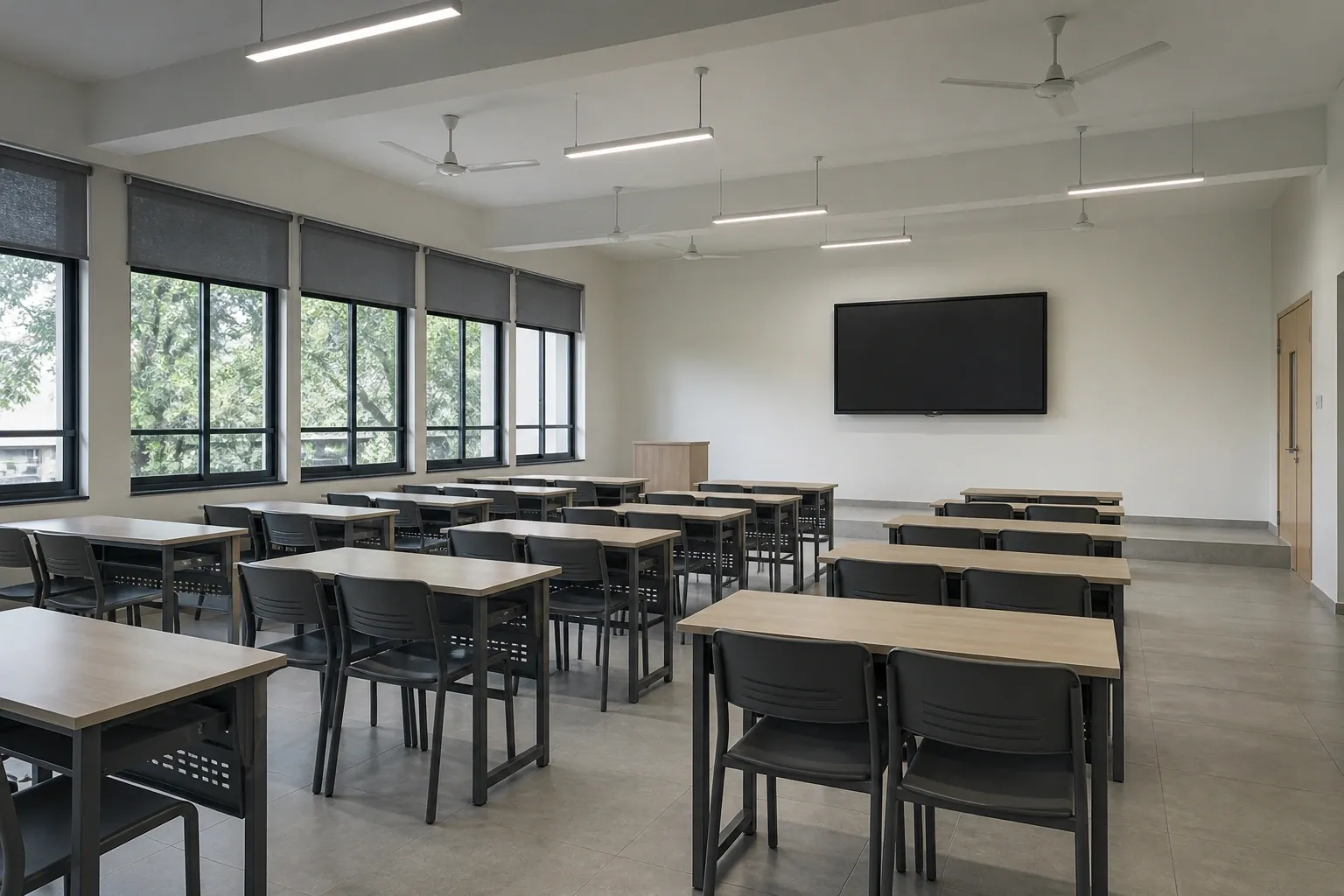
Washable, durable wall finishes for heavy daily use, exterior weather coatings, and zone-colour coding, usually delivered inside a vacation window.
See education projectsHeavy-duty epoxy floor coatings, floor line marking, anti-corrosion coatings on structural steel, and fire-retardant systems where specified.
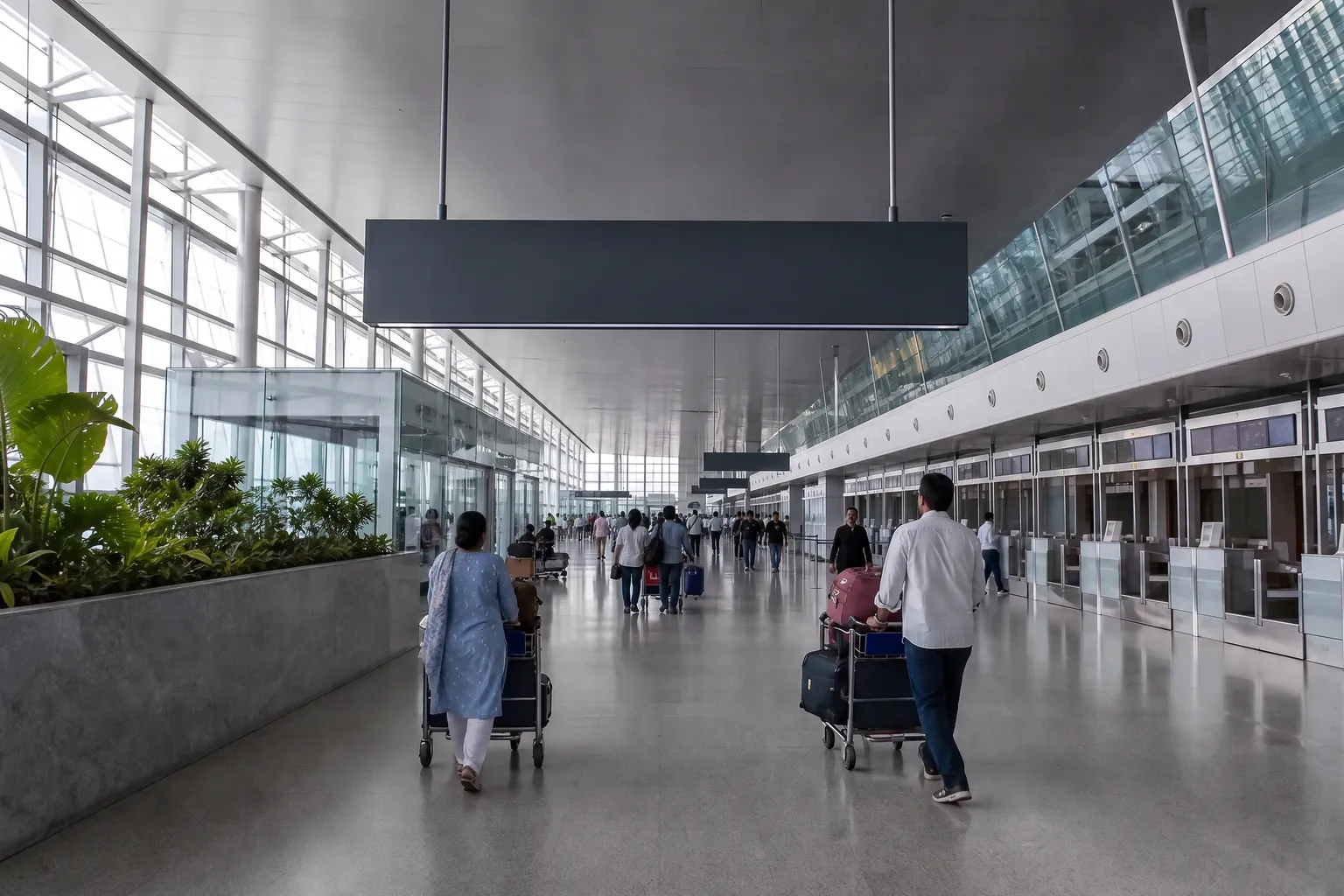
High-traffic floor coatings, large-scale exterior programmes, and work sequenced into restricted access windows on operating facilities.
See aviation projectsCommercials
Painting is quoted against a measured area, a substrate assessment, and a specified system. IBS does not publish a per-square-foot rate, because the rate on its own describes nothing: the same wall area can carry a single refresh coat or a full strip, repair, prime, and three-coat system, and the difference between those is the entire value of the quotation.
A substrate survey including moisture assessment where floors or exterior work are in scope, a specified preparation method, primer, topcoat system and coat count per area, colour references and sample panel approval, application to the manufacturer's stated system, protection of completed areas, snagging, and a handover record of what was applied where.
The condition of the existing substrate and how much preparation or repair it needs, the system grade specified, coat count, whether low-VOC systems are required, access and height on exterior or high-ceiling work, whether the building is occupied, and whether floor systems require mechanical preparation of the slab.
Structural repair beyond surface making-good, replacement of failed substrate, scaffolding where a specialist access contractor is required by the building, and statutory permissions for external facade work, which remain with the building owner.
| Discipline | Term |
|---|---|
| Painting workmanship | typically twelve months from handover |
| Epoxy and PU floor systems | typically twelve months from application, subject to the specified traffic and cleaning regime |
| Paint materials | manufacturer warranty passed through on the specified Asian Paints, Berger, Dulux, or Nerolac system |
| Waterproofing coatings | typically twelve months from application, subject to the treated area remaining unaltered |
| Stage | Terms |
|---|---|
| Advance against Purchase Order | Mobilises material procurement against the approved system specification. |
| On completion of preparation and priming | Payable when surface preparation and priming are complete and inspected, before topcoats are applied. |
| On completion of finish coats | Payable when the specified coat count is applied and areas are protected. |
| On snagging and handover | Released on snag-list closure and submission of the system and colour record. |
A substrate survey is carried out before quotation on any existing building. Painting quotations issued from an area figure alone are the most common source of variation on this trade, because the condition of what is already on the wall decides how much preparation the job actually needs, and that cannot be assessed from a drawing.
Share the area, the substrate condition, and whether the building is occupied, and IBS will respond with a specified painting proposal.
Questions
These are the questions facility heads, project managers, and procurement teams most often raise when scoping a painting or coatings package.
The Company
Impulse Branding Solutions is a Mumbai-headquartered, vertically integrated commercial branding and fit-out execution company with over fifteen years of operating history. We deliver across two service lines under one roof: print branding and signage, including ACP cladding, LED sign boards, glow signs, channel letters, vehicle wraps and exhibition fabrication, and commercial interior fit-outs covering civil, MEP, false ceiling, joinery and turnkey contracting.
Our in-house manufacturing facility, in-house civil and engineering team and in-house furniture factory near Vasai East mean every project, from a single signage installation to a multi-Crore fit-out, runs through one team with single-point accountability. Approved vendor with Adani Airports, HSBC, Reliance Retail, HDFC ERGO, Godrej Finance, EPSON and Duravit. BCAS-cleared for airport work. Pan-India delivery at a single execution pace.
Read more about IBSTrack Record
A senior, in-house project team
Civil, MEP, and joinery leads supporting enterprise fit-out and branding projects across India.
“Every project runs under one accountable team, from site survey to final handover.”
Company-level BCAS security clearance for airport projects; site access arranged per assignment
Approved vendor with
Adani Airports · HDFC ERGO · Reliance Retail · Godrej Finance · EPSON · Duravit · HSBC
Past clients
Accessorize · Adani Airports · Aditya Birla Retail · Duravit · EPSON · Godrej Finance · HDFC ERGO · HSBC · Reliance Retail · Sagility · Society Tea
Related Capabilities
Painting usually runs alongside the interior trades it finishes and the fit-out programmes it sits inside. These are the most closely related IBS service lines.
Complete turnkey interior fit-outs from bare shell to move-in ready. Civil, MEP, carpentry, false ceiling, flooring, partition systems, and brand environment.
View DetailsDedicated office fit-out service for corporate clients, open-plan, hybrid, and traditional configurations. MEP-integrated, brand-ready, on-time delivery.
View DetailsIn-house mechanical, electrical, and plumbing execution for commercial buildings, fit-outs, and new construction. HVAC, firefighting, UPS, DG sets, plumbing systems.
View DetailsLarge-format wall graphics, ACP wall panels, vinyl wallpaper, mural printing, and digital wallcoverings for offices, retail spaces, and public areas.
View DetailsFurther reading
References
Ready to Start?
Share the area, the substrate condition, and whether the building is occupied. IBS will respond with a specified proposal rather than a rate per square foot.
Request a site surveyTell us about your painting & surface finishing requirement.