Rollouts & Sites
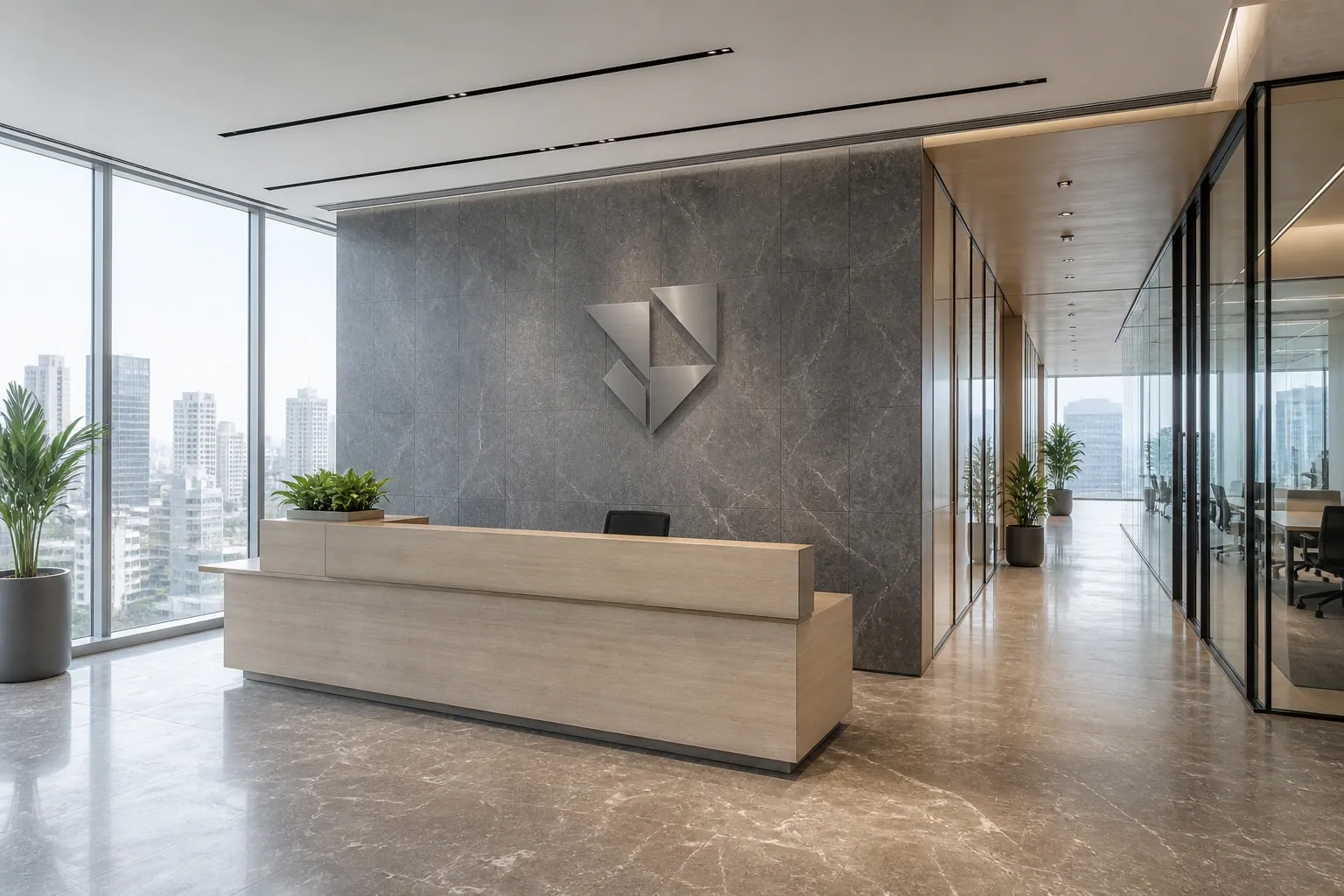
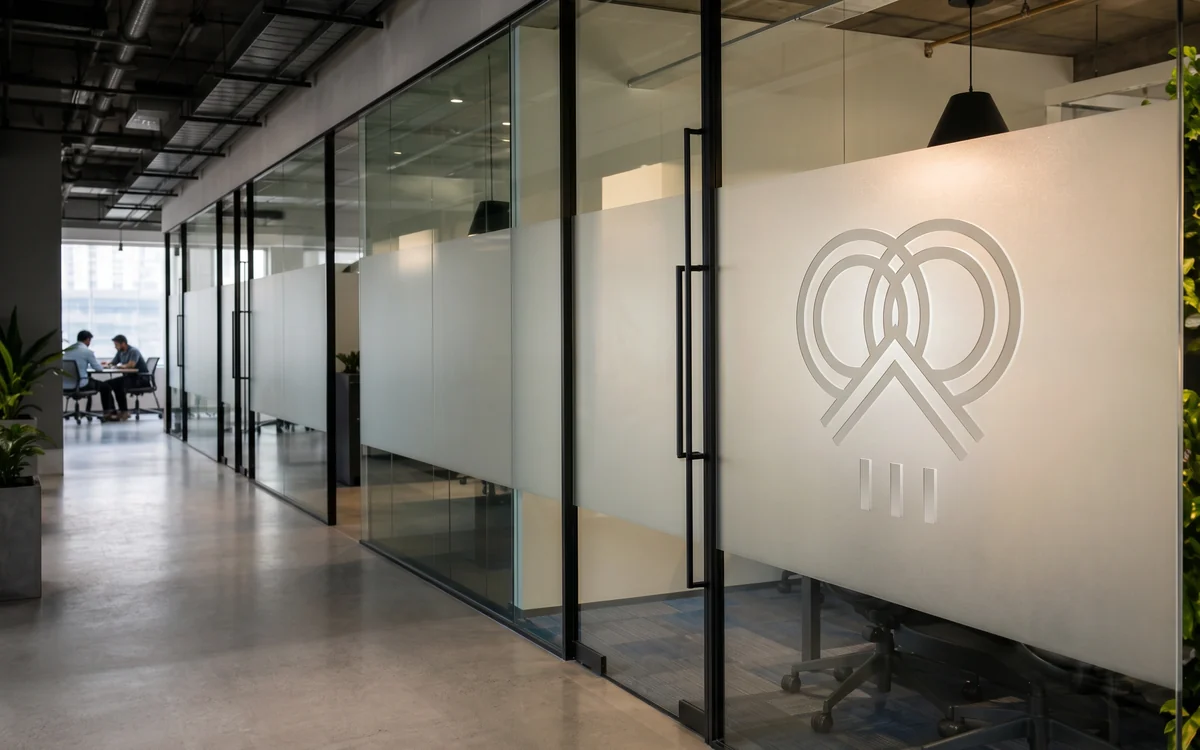
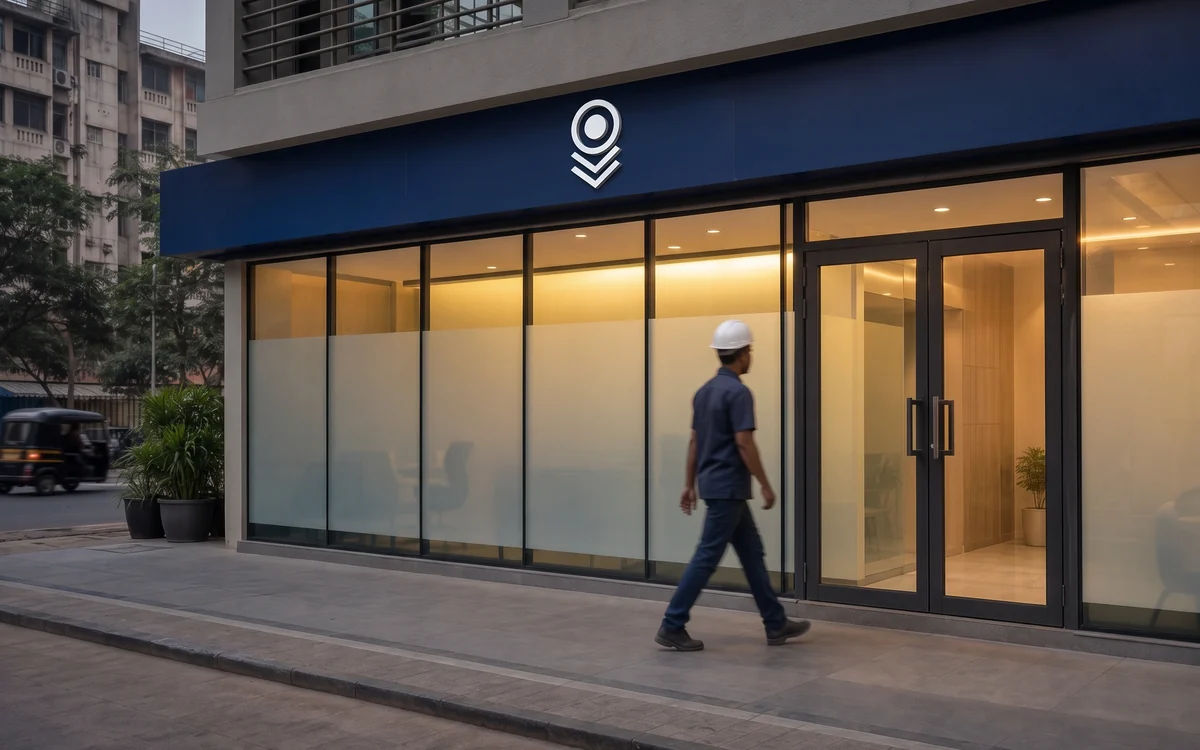
Will one-way vision give privacy to my office or branch?
It gives partial daytime privacy: from outside in bright light the printed image dominates, while inside you retain an outward view. For full privacy (where no outside view in at all is wanted, including at night), frosted film is the better choice. IBS advises the right product and ratio for your privacy need.
Can IBS roll out glass branding across multiple stores or branches?
Yes. Multi-site glass rollouts are routine, film printed as colour-consistent batches against a single brand reference, fitting sequenced across sites by in-house crews, and single-point coordination so every storefront or branch matches. Common for retail chains and BFSI branch networks.
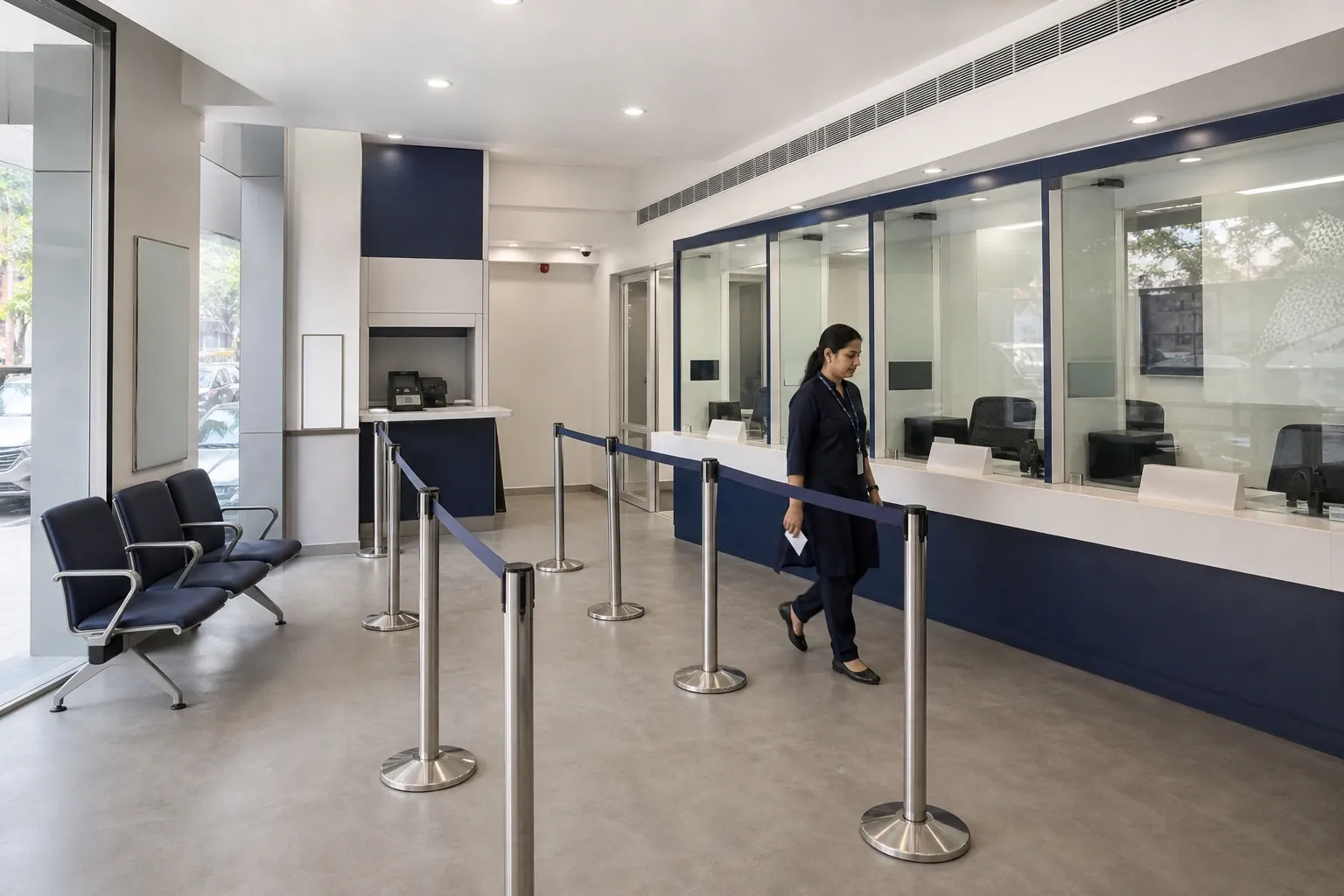
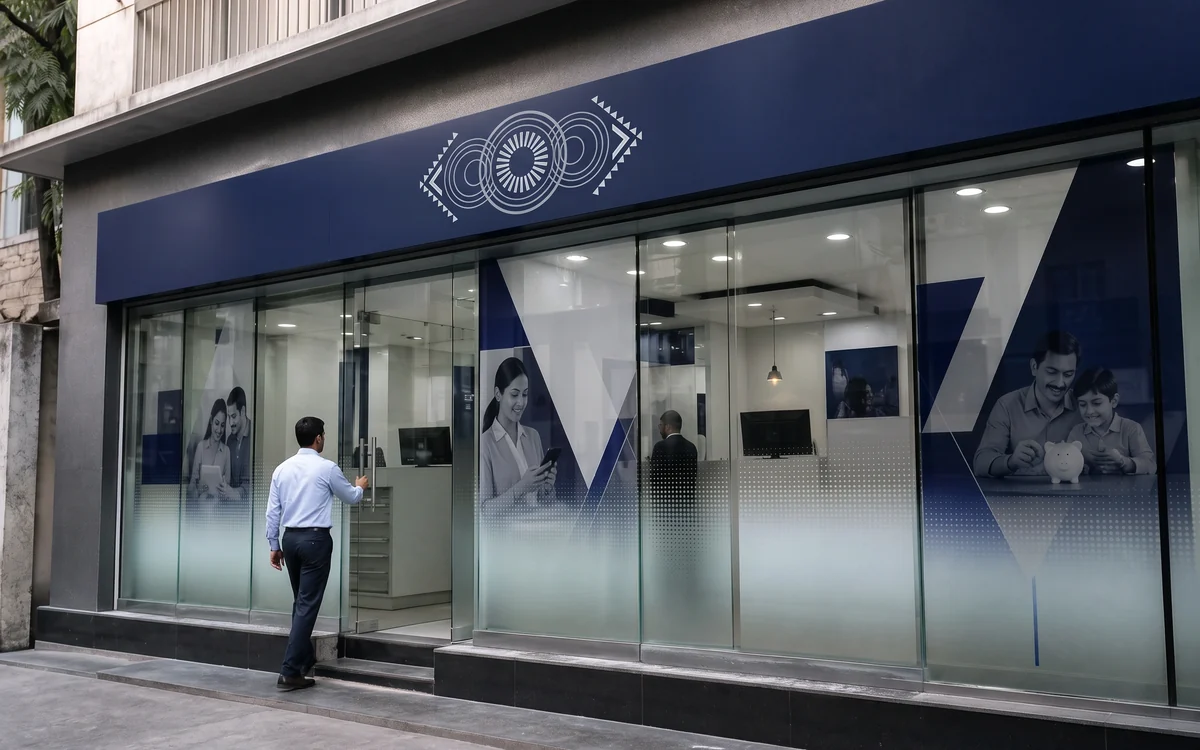
Is one-way vision suitable for bank-branch glass?
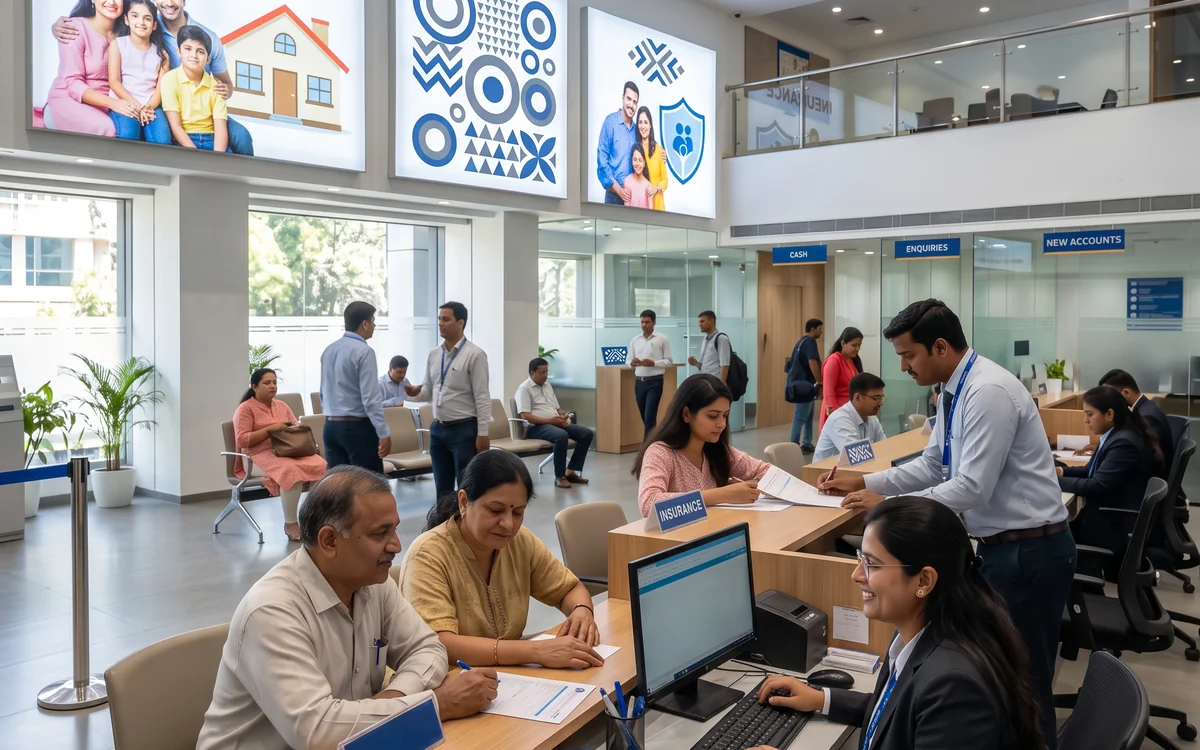
Yes: branch-exterior and interior counter glass take one-way vision for brand visuals and product messaging while maintaining the safety sightlines branches need. It's a BFSI-standard glass treatment, rolled out across branch networks with centralised brand standards. Full branch-interior graphics programmes are handled by our in-branch graphics line.
Technical
What is a one-way vision sticker?
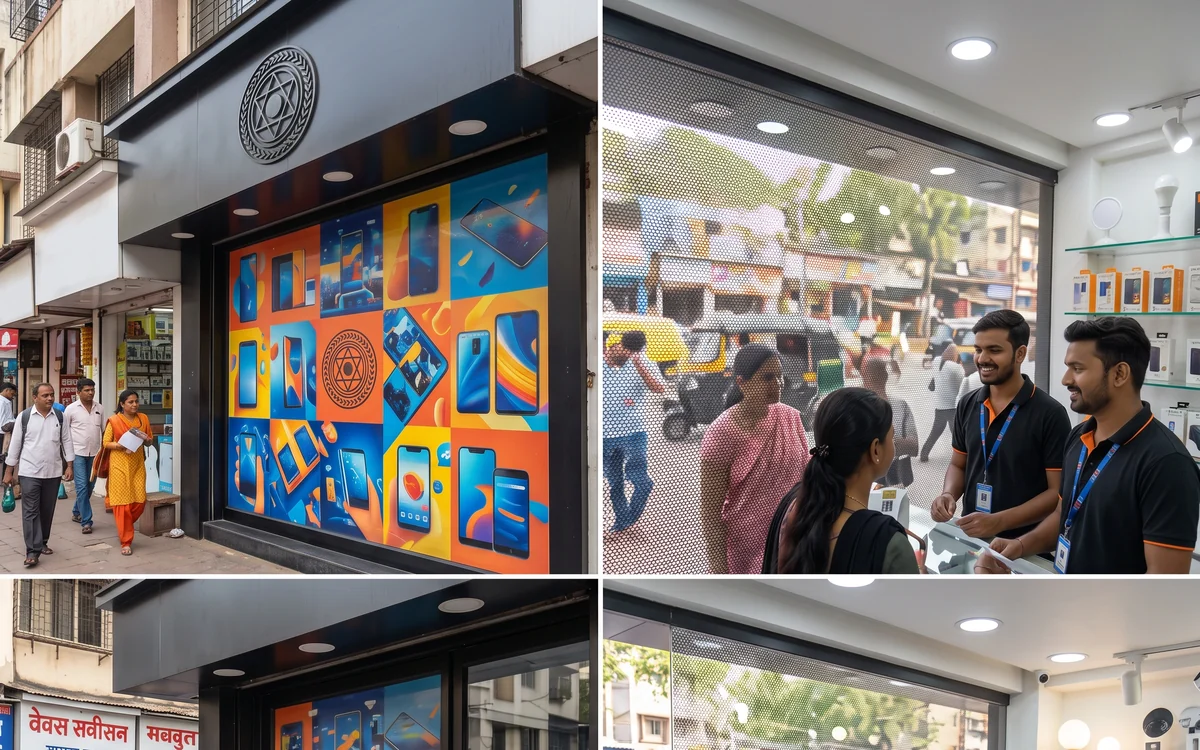
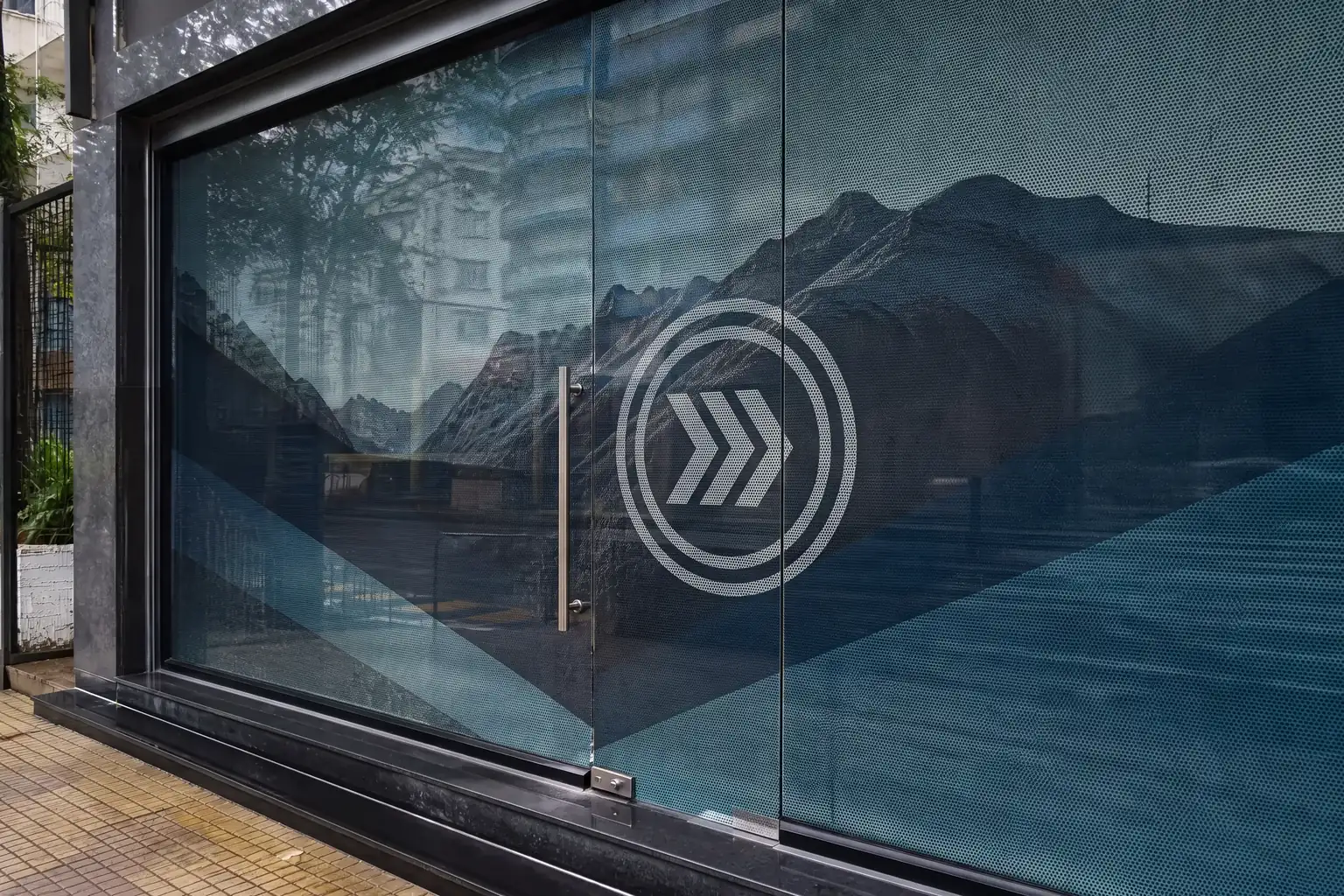
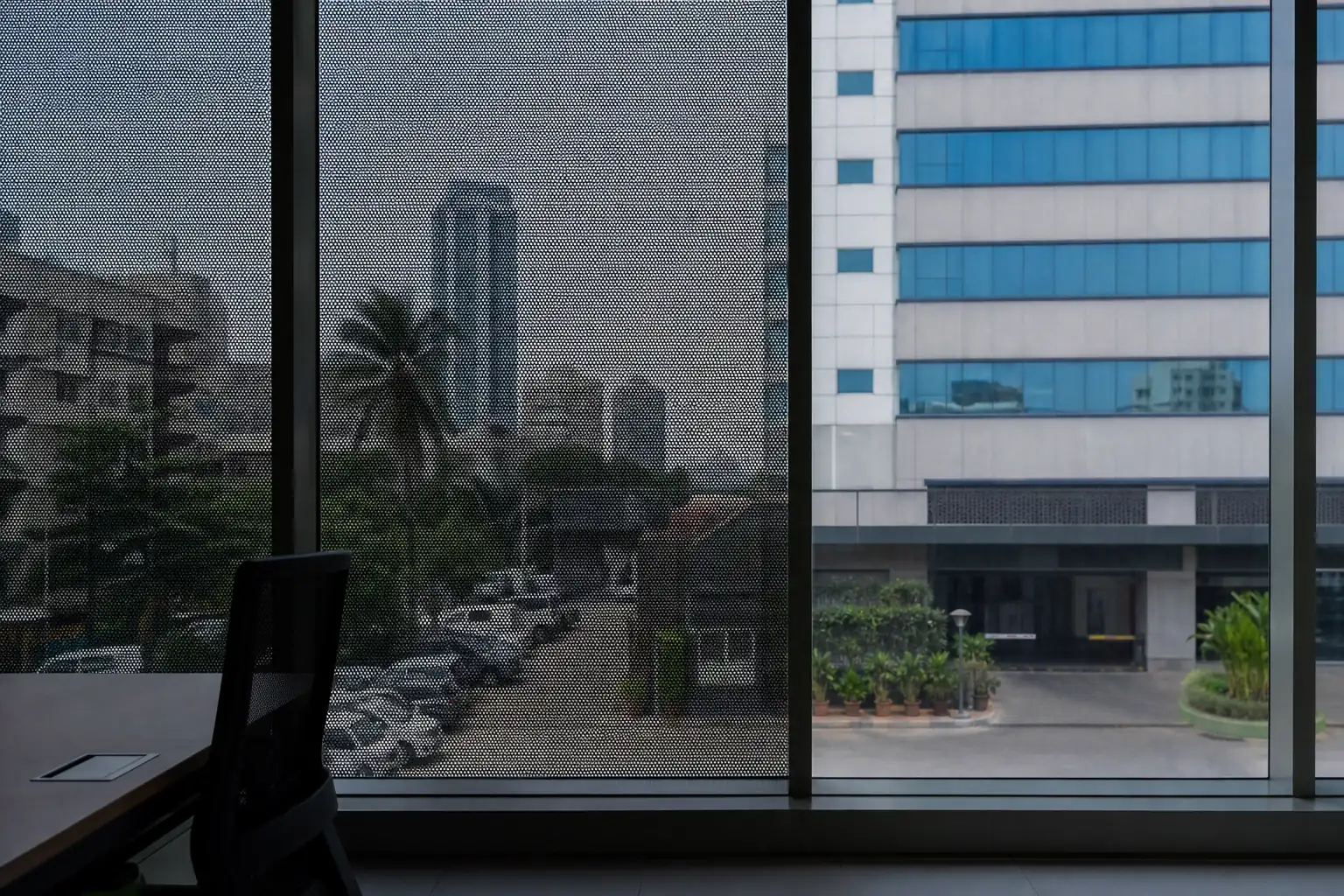
A one-way vision sticker is micro-perforated self-adhesive vinyl with tiny holes that let light through. Printed with a design and applied to glass, it shows the full image from outside while the perforations let people inside see out. The effect works best with bright exterior light; at night with interior lighting, the effect partially reverses. It's also called perforated window film or see-through window vinyl.
How clear is the view from inside with one-way vision film?
At the common 50/50 ratio (50% printed, 50% open holes), you get reasonable outward visibility from inside while a clear full-colour image shows outside. Denser grades (60/40) sharpen the outside image but reduce inside visibility. IBS advises the right ratio for your space and use rather than fitting a one-size grade.
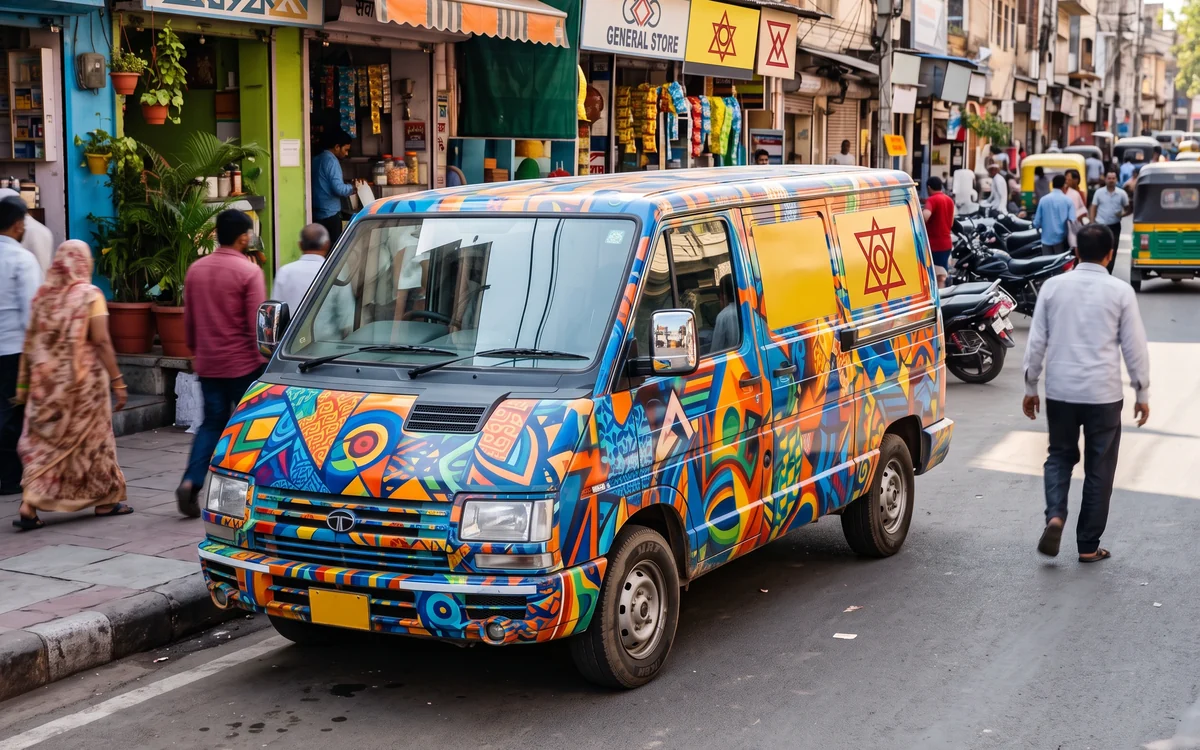
Can one-way vision film be used on vehicle windows?
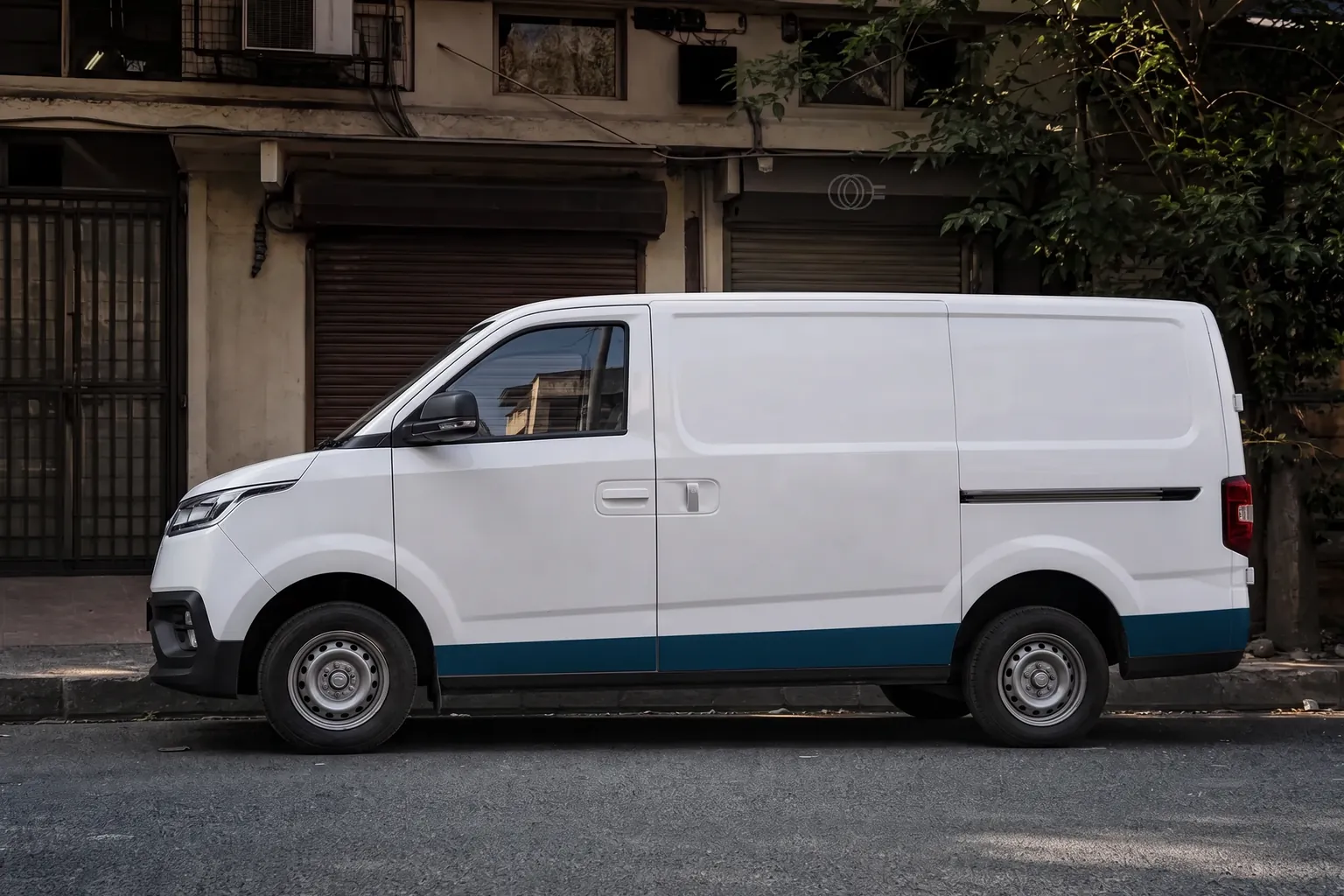
Yes: bus windows, van rear panels, and vehicle rear and side glass take one-way vision so the outside is fully branded while passengers and the driver keep an outward view. It's the practical, compliant way to use vehicle glass for branding, and pairs with our vehicle-wraps line for full-vehicle branding.
Does IBS print and install, or only supply the film?
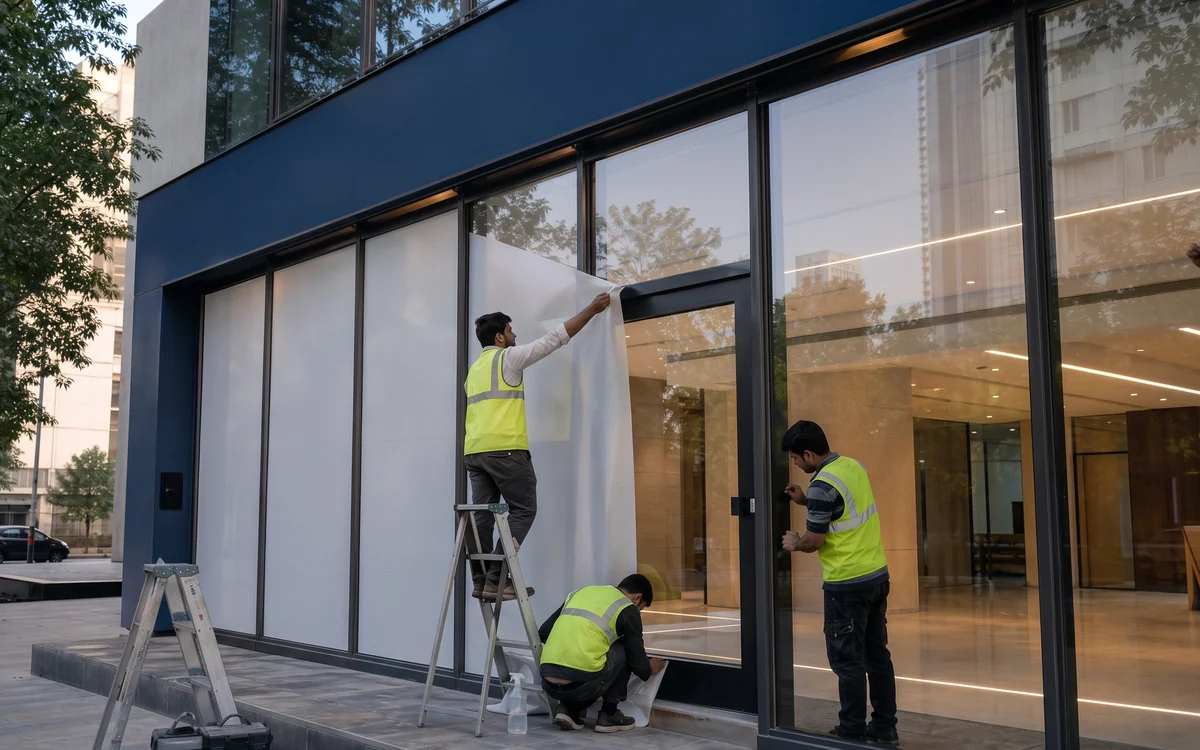
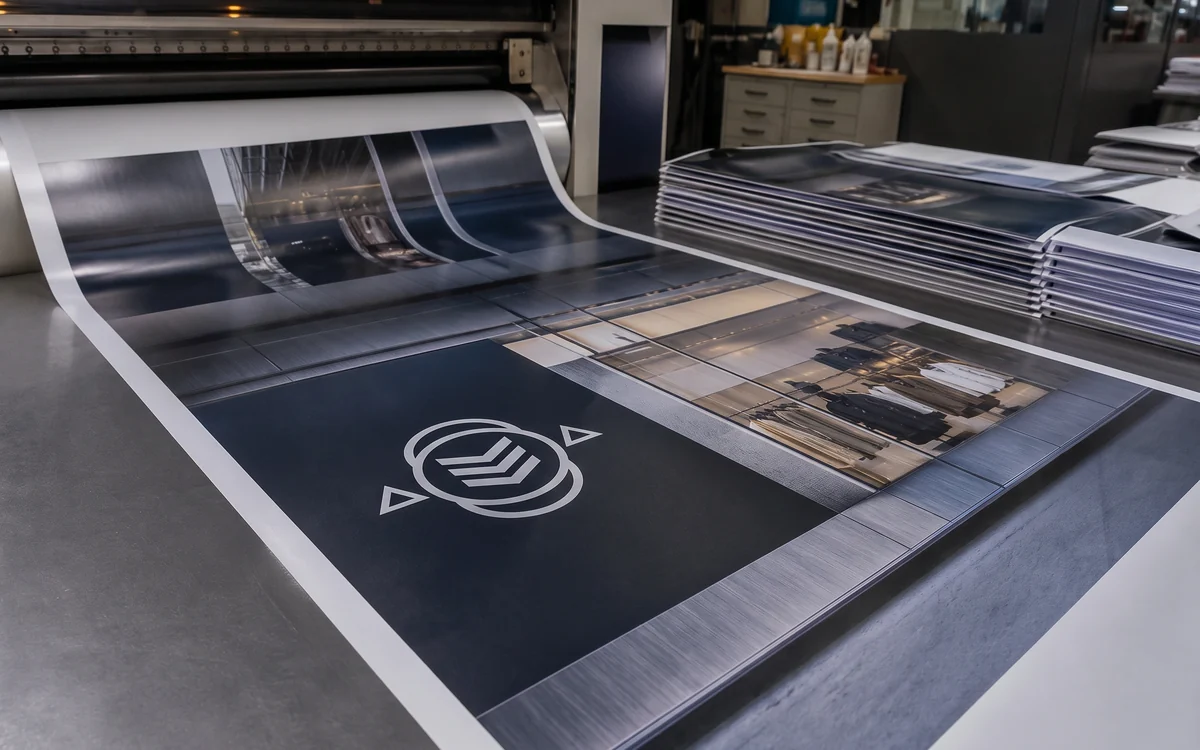
Both, in-house. IBS prints the film and fits it with in-house crews, glass preparation, bubble-free application, and edge sealing where exposure requires. Print quality and a clean fit stay under one accountability rather than split across a printer and a separate installer.
Can one-way vision film be removed without damaging the glass?
Yes. IBS specifies pressure-sensitive adhesive that removes without residue at end of life, so glass is left clean and undamaged for the next application. This matters for leased premises and for promotional film that changes through the year.
What perforation ratios does IBS offer?
The common standard is 50/50 (balanced outside image and inside visibility); denser grades such as 60/40 sharpen the outside image where inside view matters less. IBS advises the ratio for your space, exposure, and privacy-versus-clarity priority rather than fitting one default grade.
How do I prepare artwork for one-way vision printing?
Supply print-ready PDF with vector logos and type and high-resolution images, sized to the glass at a clear ratio, in CMYK with bleed. Keep critical detail away from the very edges. Resolution is set to viewing distance, so storefront-scale files stay practical. We'll flag at prepress if anything needs rework, or scope artwork support.
Can IBS match brand colours on glass film?
Yes. We run an ICC colour-managed workflow and match to Pantone or supplied swatch references, with achievable-gamut guidance at proofing and a colour proof on colour-critical and multi-site work. References are held on file so refreshes and replacements stay matched.
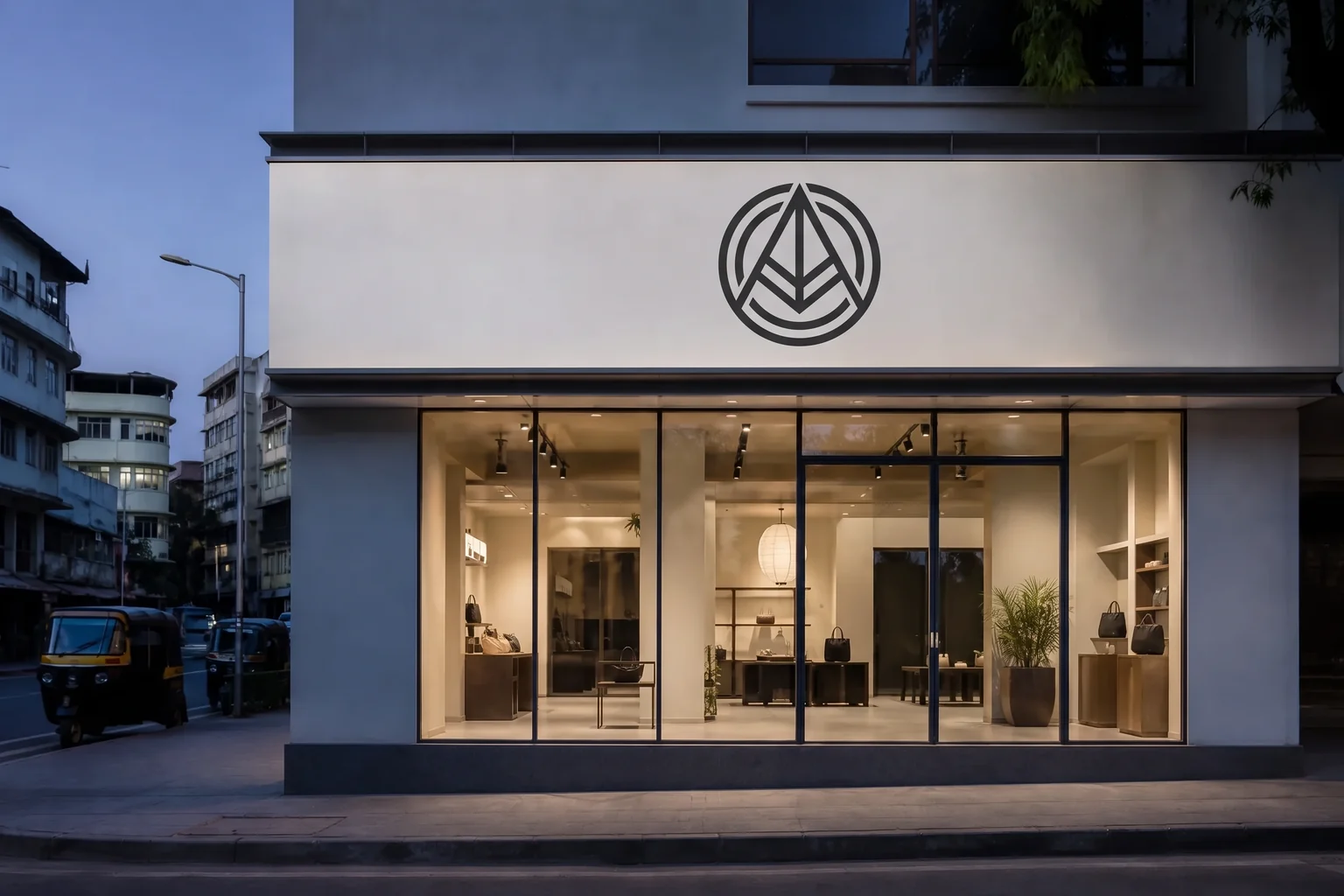
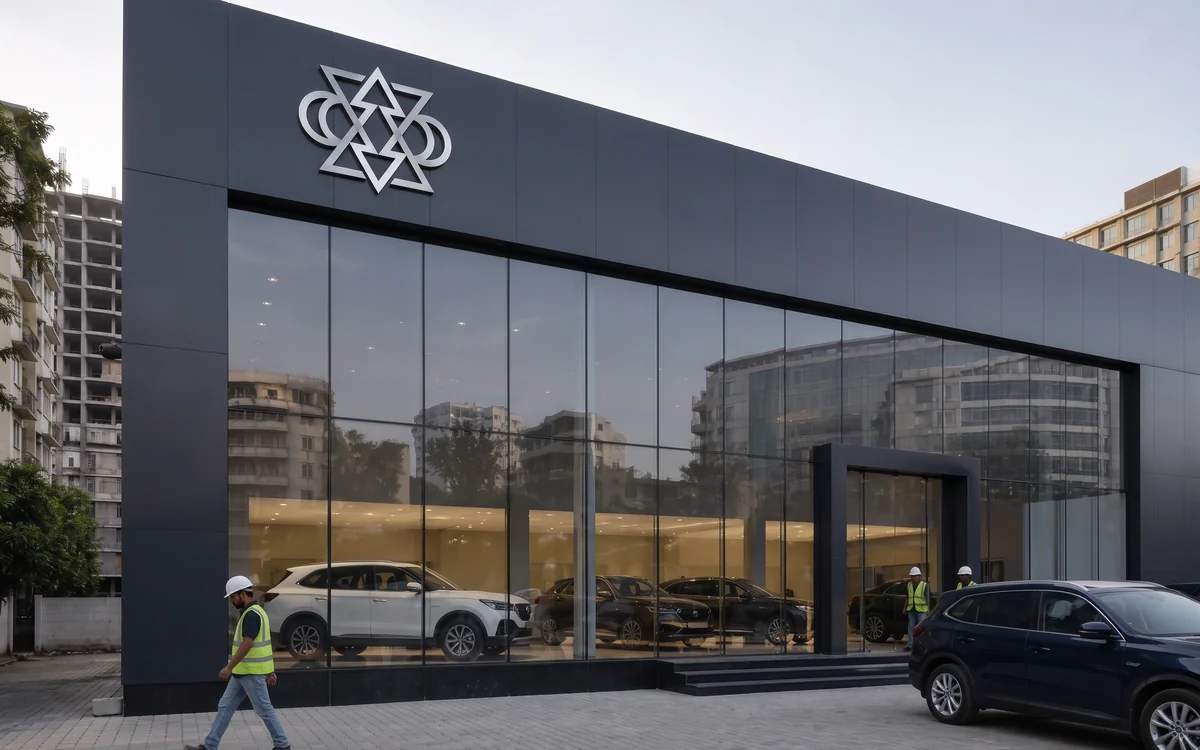
Does IBS handle large showroom and floor-to-ceiling glass?
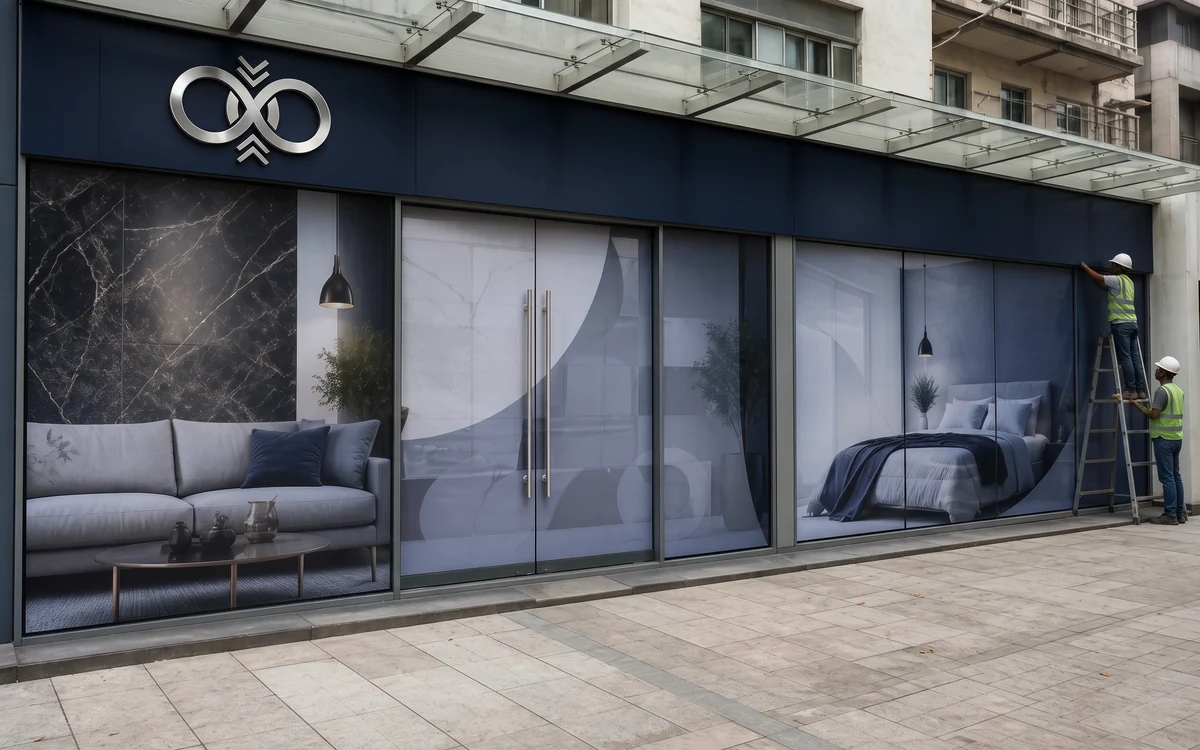
Yes. Large-format and floor-to-ceiling showroom glazing is a core application, printed at the right resolution for street-scale viewing and fitted cleanly by experienced in-house crews, since image quality and a bubble-free fit on big glass are what make showroom glass look premium.
Does one-way vision reduce heat or glare inside?
It gives a modest reduction because the printed area blocks some direct sunlight, but one-way vision is a branding film, not a solar-control film. It shouldn't be specified primarily for heat or glare control. If heat reduction is the main goal, a dedicated solar/sun-control film is the right product; we'll advise if that's what your space actually needs.
Can I still see out at night through one-way vision?
The one-way effect depends on the brighter side. In daytime the bright exterior makes the outside image dominate while you see out from inside; at night, when interior light is brighter than outside, the effect partially reverses and the inside becomes more visible from outside. For spaces lit at night where privacy matters after dark, we'll factor that into the product and ratio advice.
Is one-way vision film safe to apply over existing glass film or tint?
It's best applied to clean bare glass. Over existing film or tint, adhesion and the one-way effect can be unpredictable, so we assess the glass at survey and advise whether existing film should be removed first. Applying to properly prepared glass is what guarantees a bubble-free, long-lasting result.
How do I clean glass with one-way vision film?
Clean gently with a soft cloth or sponge and mild soapy water, wiping in the direction of the perforations rather than scrubbing across them, and avoid harsh solvents and abrasive pads. The outdoor laminate makes the surface wipe-clean, and care guidance is provided at handover so the film stays looking right for its full life.
How do I get a one-way vision quote from IBS?
Share your glass area and application (storefront, partition, showroom, branch, vehicle), your privacy-versus-visibility preference, and your location and target date through the enquiry form, by phone, or by email, with artwork if you have it. We'll advise the ratio, confirm the spec, and provide an itemised quotation. Initial consultation is free of charge and without obligation.